Skip to content
Home » News » Wai-Oro-Ariki Taonga Pūoro ki Mōtītī

Wai-Oro-Ariki Taonga Pūoro ki Mōtītī

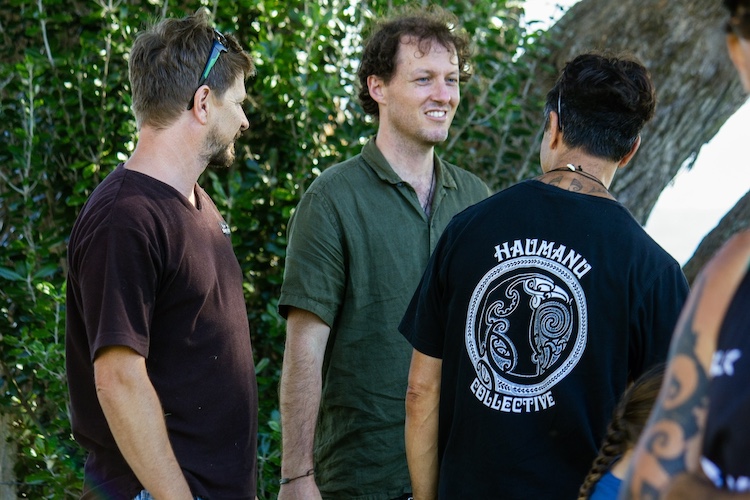
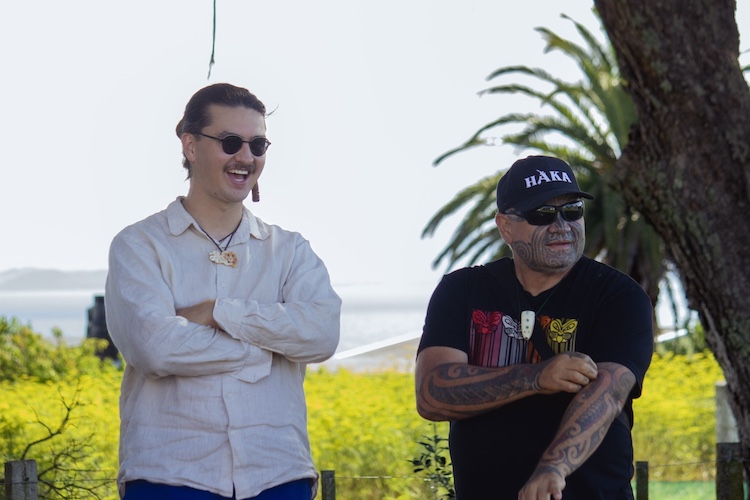
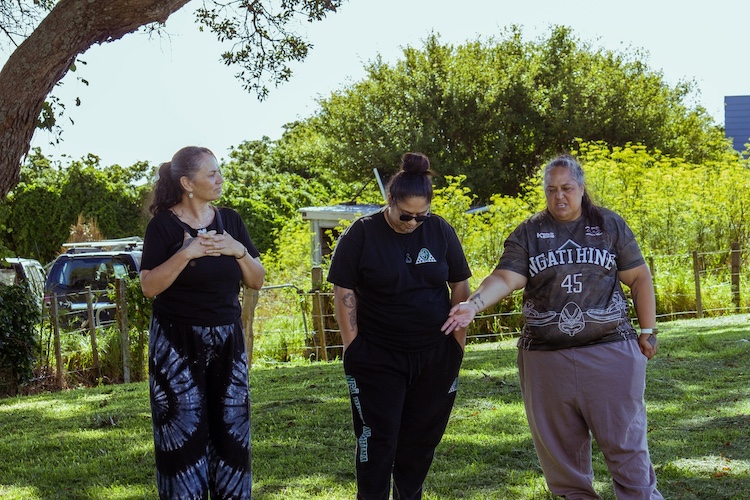
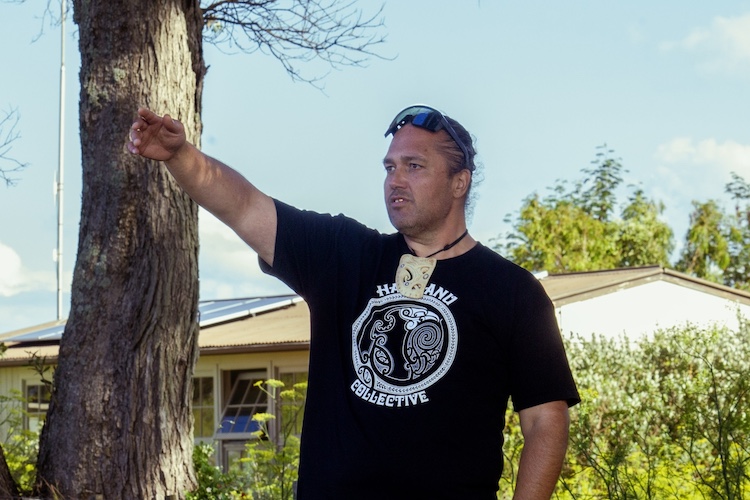
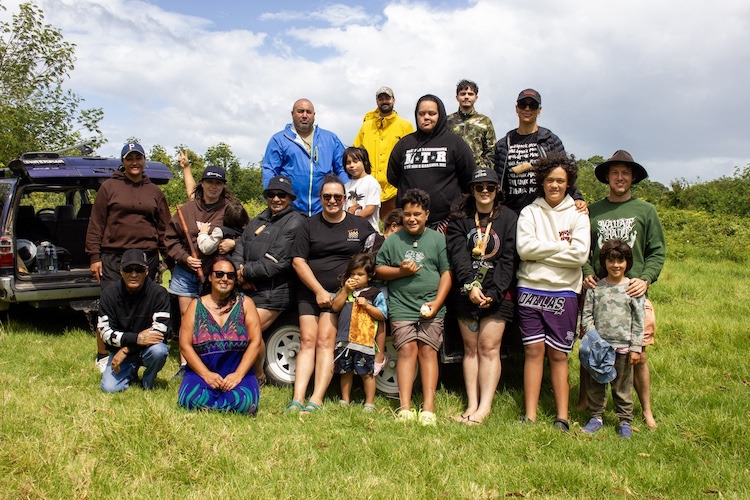
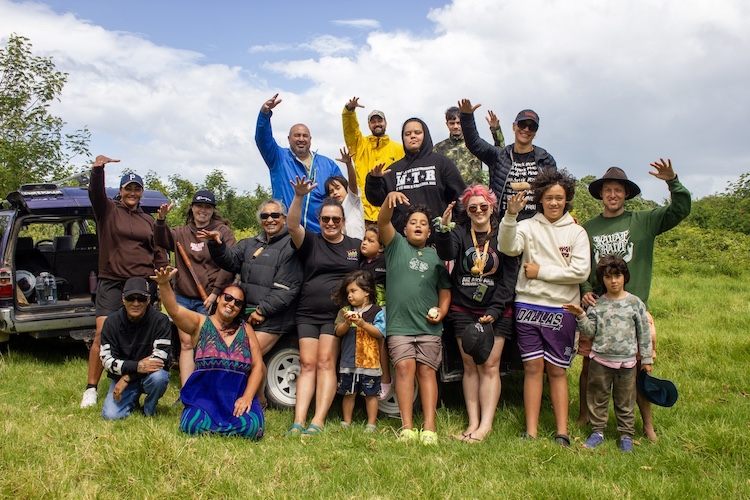
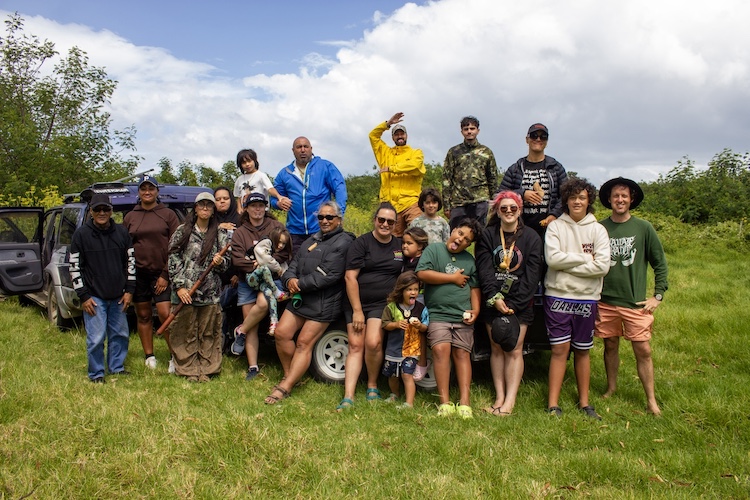
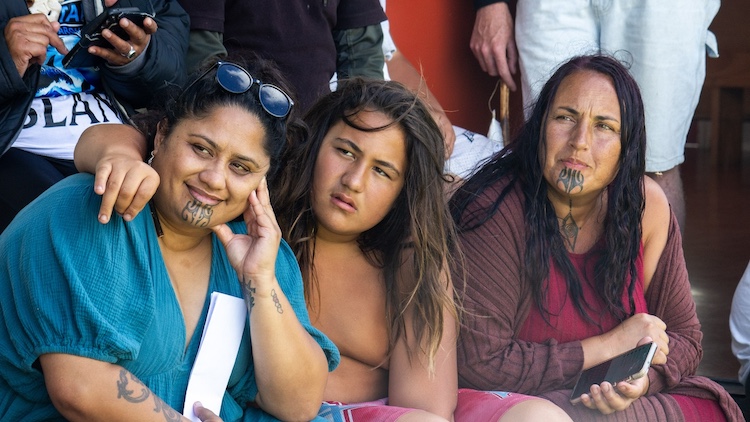
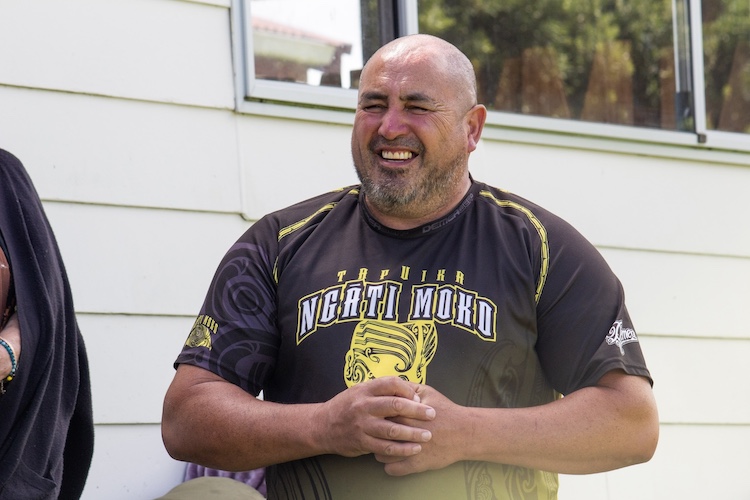
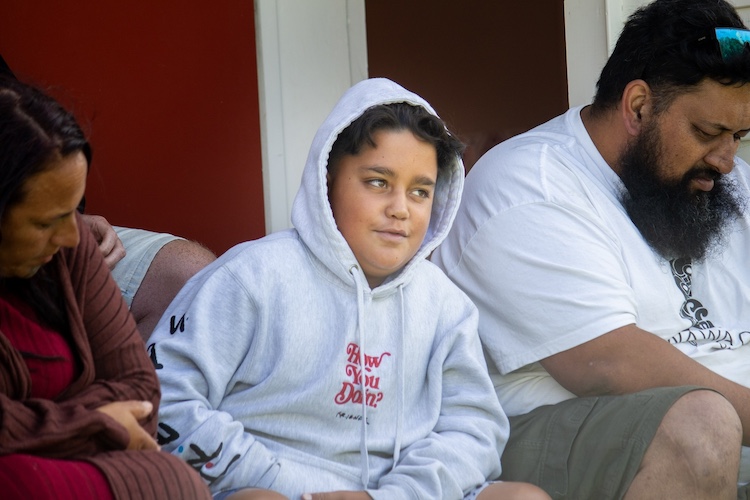
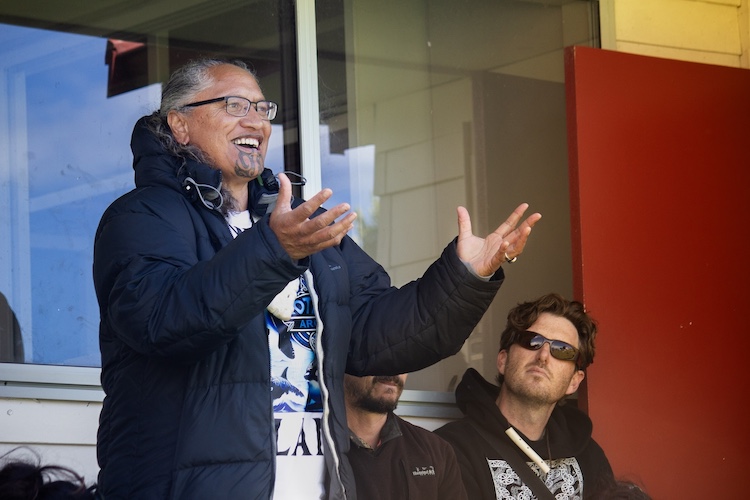
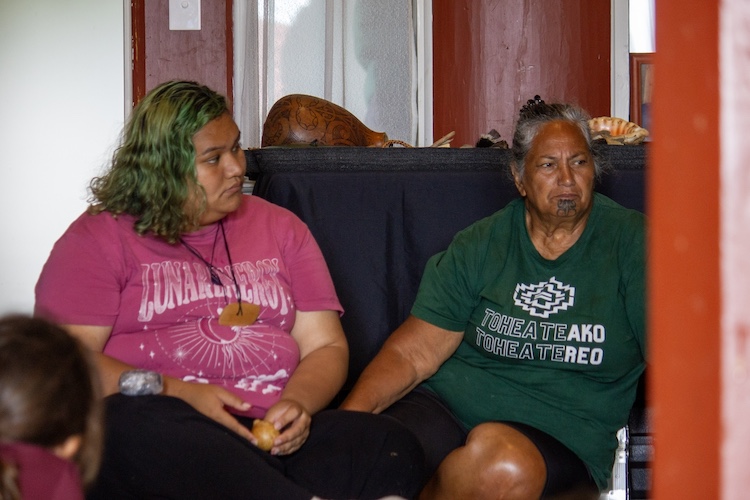
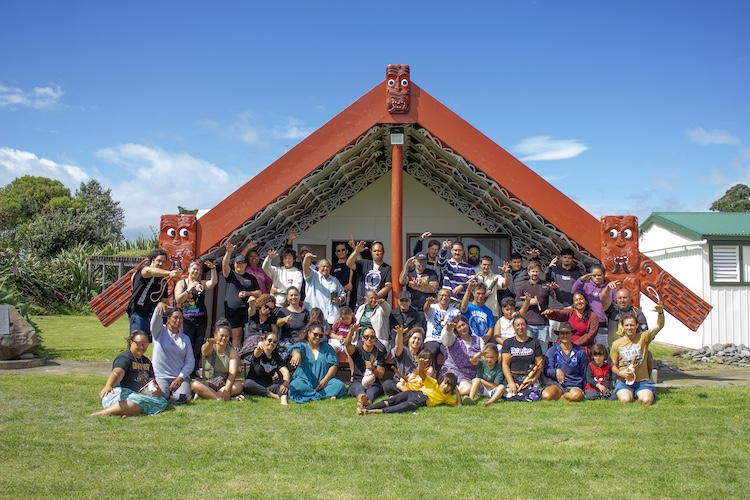
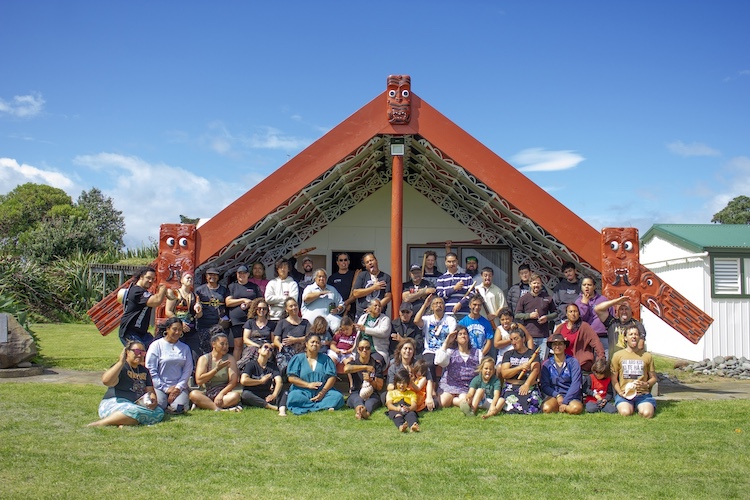
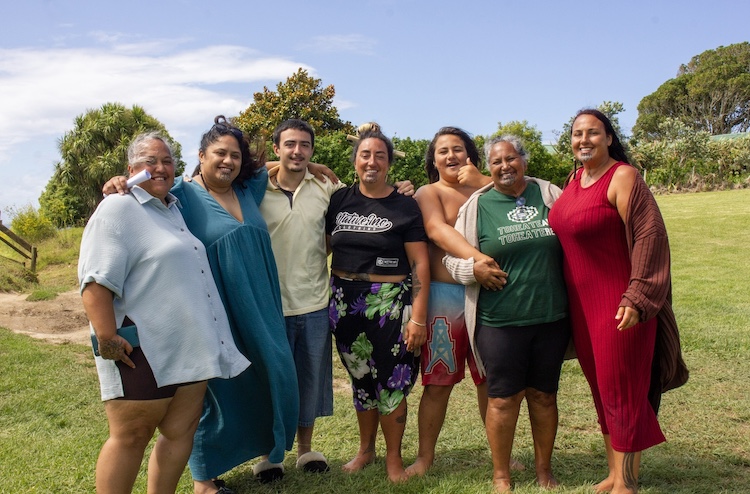
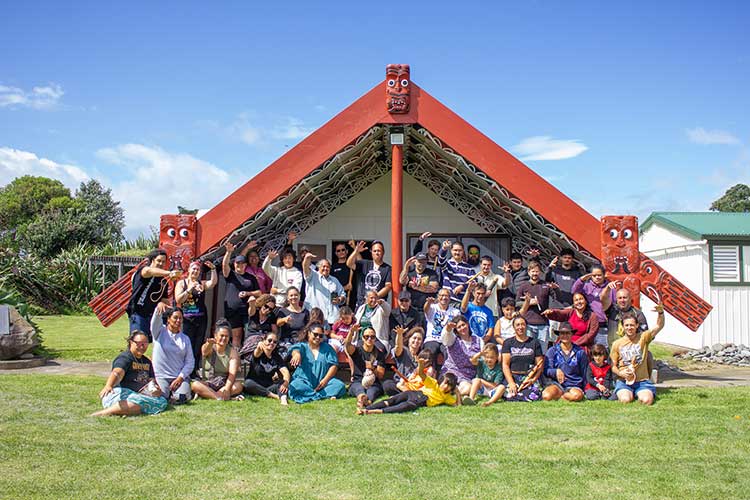
Ngā tangata i te Wānanga Taonga Pūoro i Mōtītī

Date Held: Friday 23 – Sunday 25 January 2026
Location: Mōtītī Island
Supported by: Wai-Oro-Ariki, Tūturu Trust and Haumanu Collective
Kaupapa Matua: Taonga Pūoro hei Rongoā

He Kupu Whakamahara:
We acknowledge with aroha those who lost their lives in the recent landslides at Mauao and Welcome Bay. Our thoughts are with their whānau, communities, and all affected by the storms across the motu. May their memories be held gently by the land and waters they came from.

Prelude: Te Rangi i mua i te Haerenga

In the days leading up to our journey, Aotearoa was lashed by intense weather. Torrential rain, slips in Welcome Bay and Mount Maunganui, and high winds brought uncertainty to our travel plans. But while the mainland trembled, Mōtītī Island stood firm. The skies cleared just in time, revealing tohu that our haerenga would go ahead as intended.

For many of us travelling from Waikato and other rohe, heavy anniversary weekend traffic added delays – but spirits remained high. Along the journey, we witnessed the aftermath of the storm: fallen trees, debris-laden roads, and signs of whenua recently disturbed. As we drove, the noise of everyday life began to fade. Our wairua realigned, entering the space of wānanga.

Flight to Mōtītī: Te Rere o te Mauri

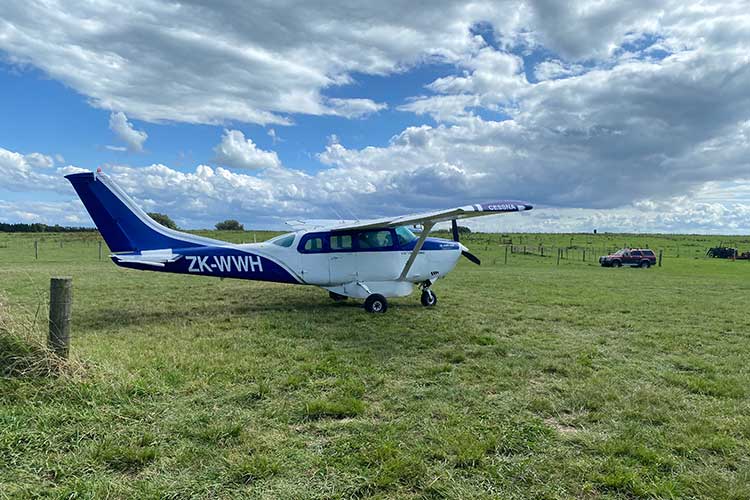
Travelling with Island Air Charters, our group flew in small aircraft – a four-seater and six-seater alternating flights across the moana. The view from above revealed the scarred slopes of Mauao, bearing the fresh wounds of landslides, and then opened to the stunning coastline of Mōtītī.

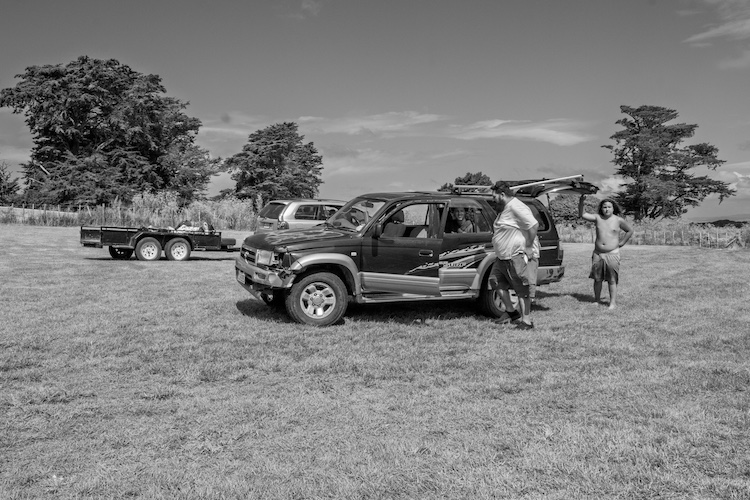
Upon landing, we were struck by the island’s quiet sovereignty: vehicles not needed to be registered by mainland standard, a lifestyle unbound by the rules of the mainland. We packed into trailers and made our way to Tamatea ki te Huatahi, one of the marae alongside Te hinga o te rā that would host our wānanga.

Island Air 5 seater plane

Friday Evening: Te Pōwhiri me te pure

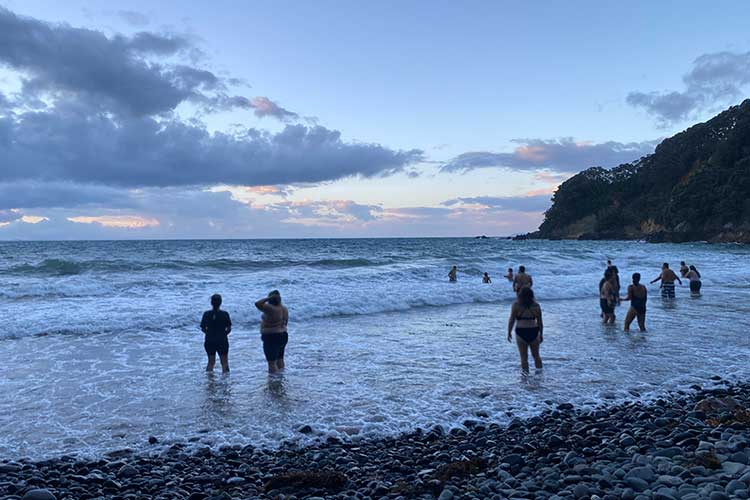
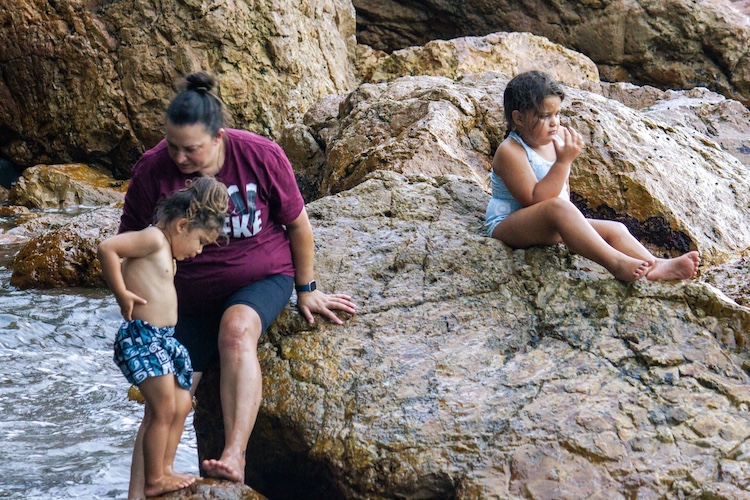
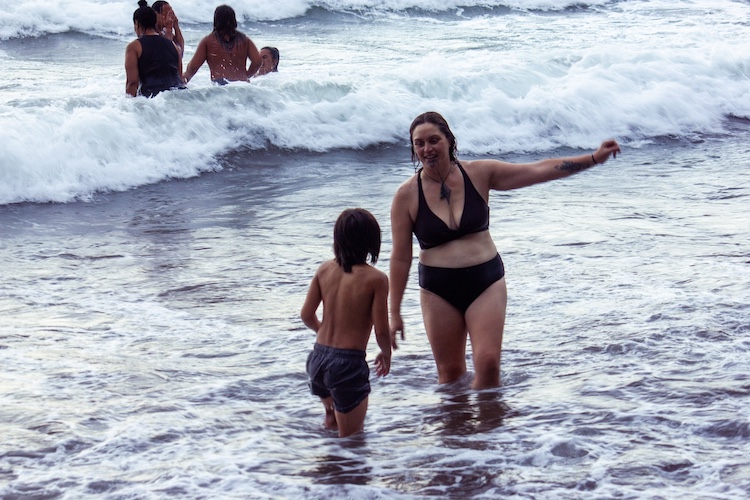
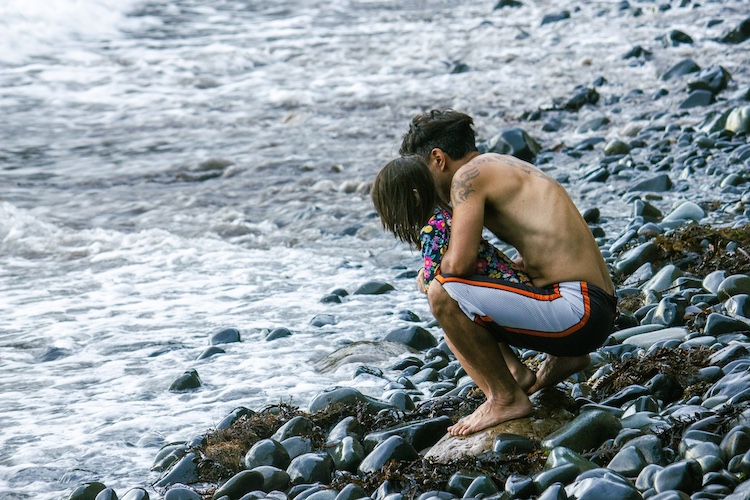
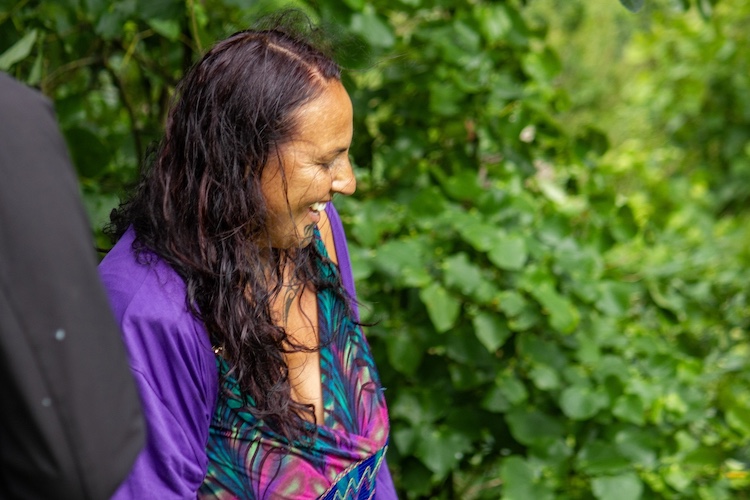
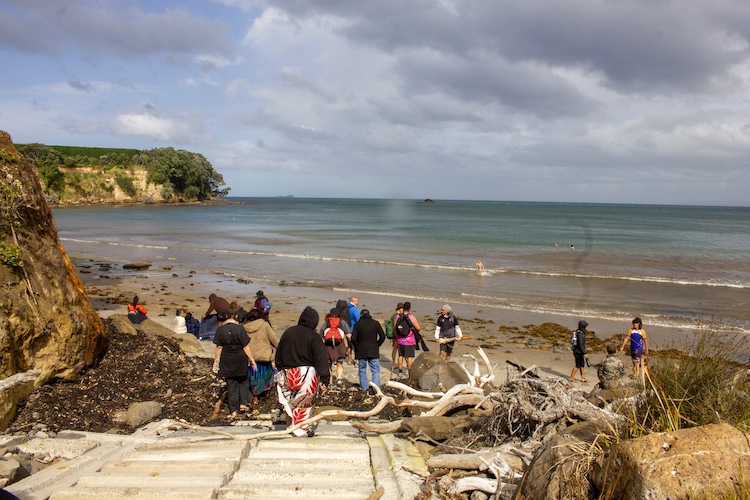
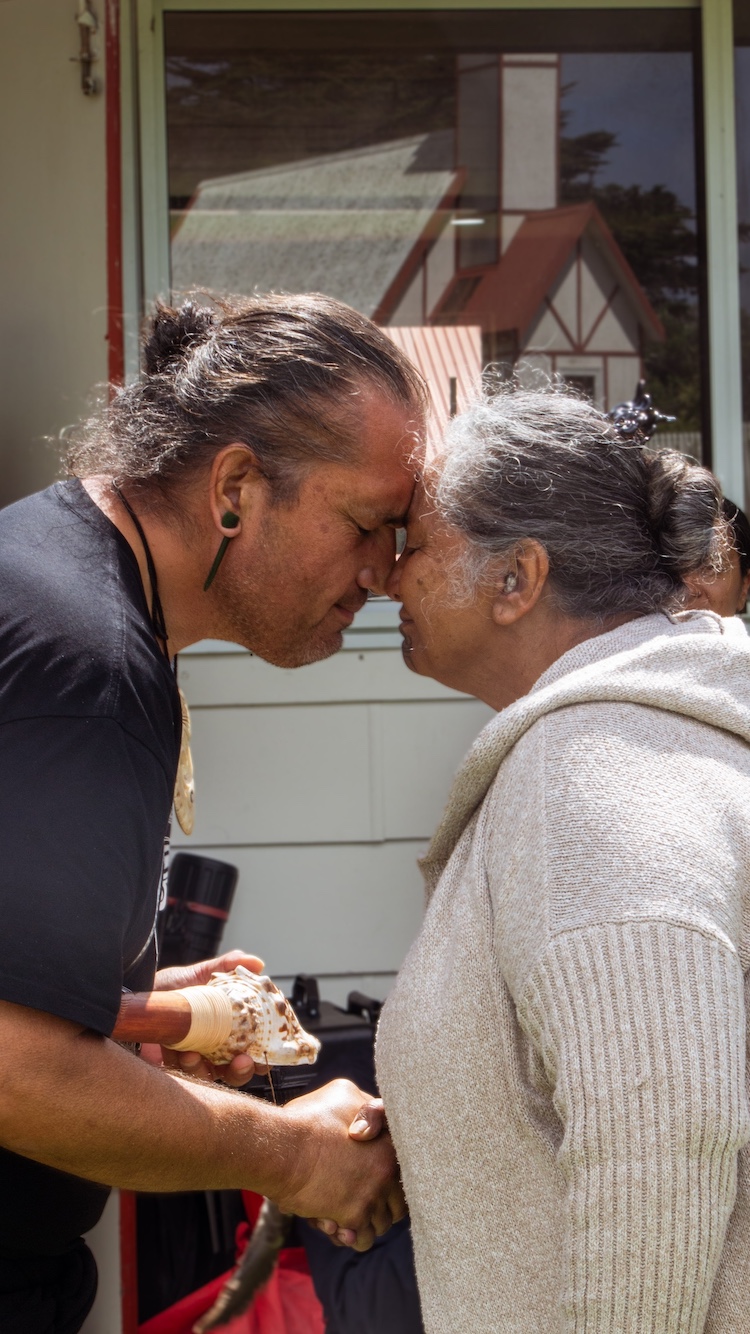
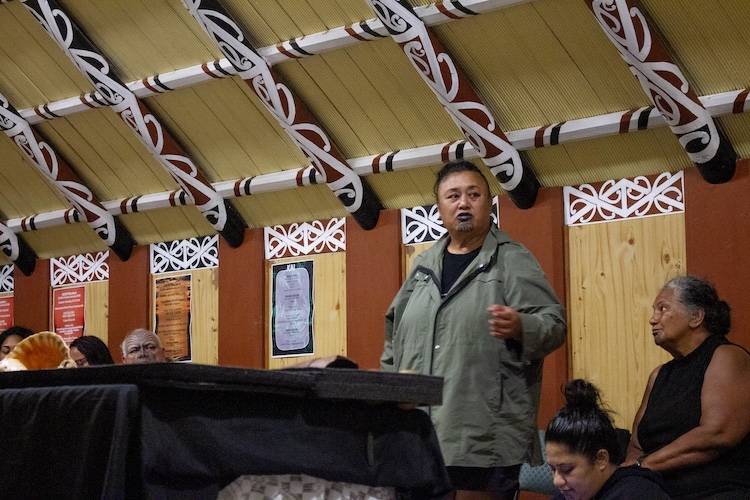
We assembled behind the whare and entered the marae under the korowai of pōwhiri. Jo’el Komene and James Webster spoke for the manuhiri, and we were welcomed warmly by the hau kāinga. The moon phase, Tamatea Āio, signalled change – and guided our next steps. After settling in and sharing kai to whakanoa, we embarked on a pure – a water cleansing ceremony – walking to the ocean’s edge at Te Onikirikiri. The sea was warm, tamariki played, and the energy was high. Some stayed close due to jellyfish, but all embraced the intention of clearing the wairua and opening the space. The pure marked our formal beginning, grounding the kaupapa in wairua and taiao. As the night settled, we closed with a sound bath inside Te hinga o te rā – taonga pūoro reverberating softly across the walls and into our sleep
Pure - the cleansing ritual where we clear ourselves and set intention
Whānau gather for a water cleansing ritenga, releasing the journey behind us and opening the wānanga in alignment with the whenua, moana, and wairua.

Saturday Morning: Hauhake Kawakawa and Local Knowledge

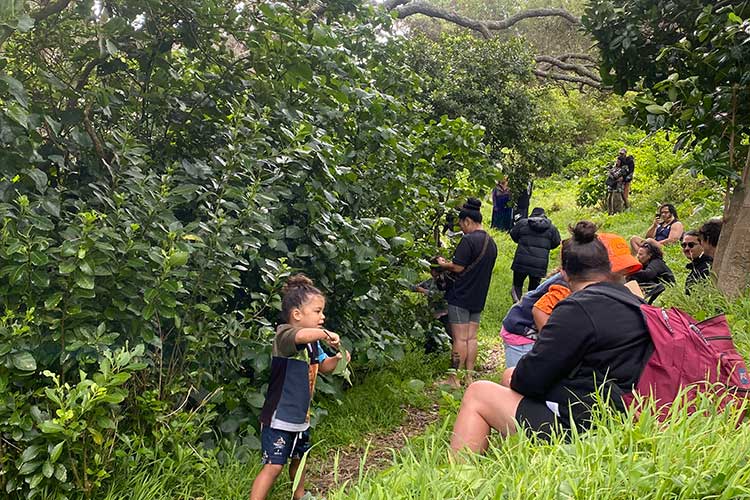
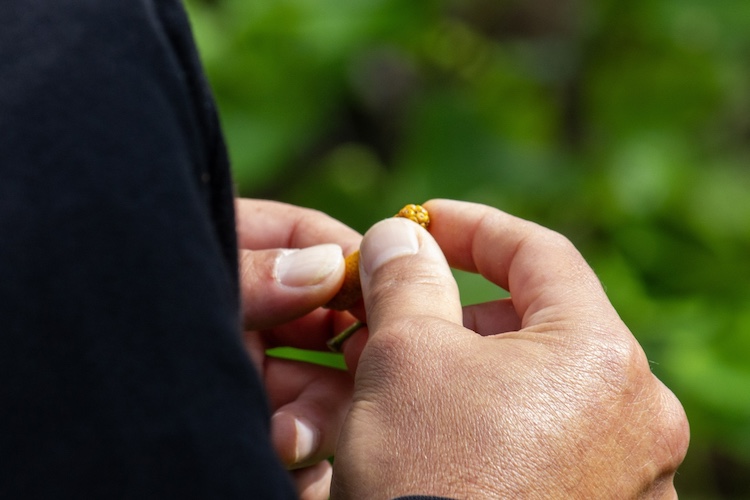
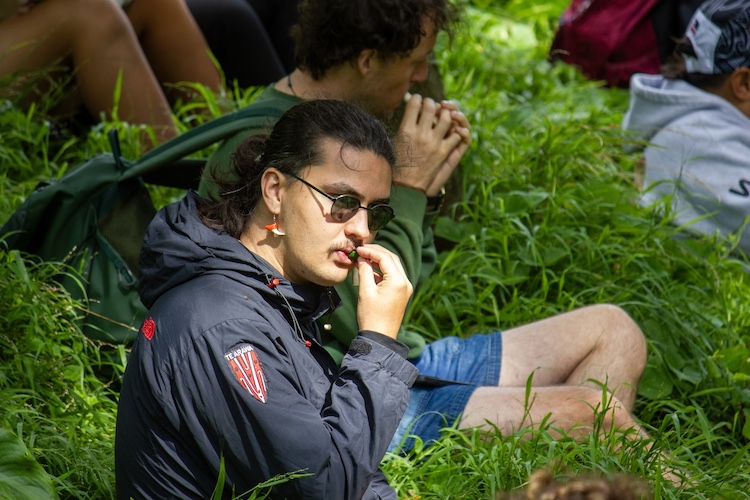
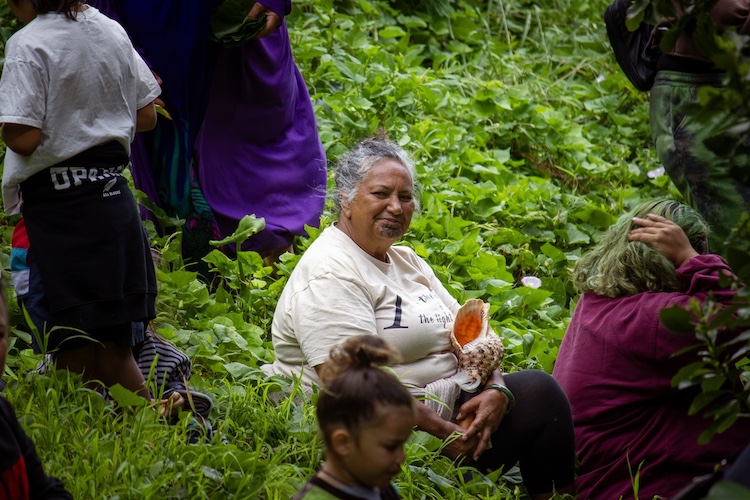
Our day began with a hands-on rongoā Māori session: harvesting kawakawa, a vital rākau for healing, growing abundantly along Mōtītī’s coastal edges. Despite strong winds and encroaching rain, our rōpū gathered at Te rere o Waingerengere Bay to learn, pick, and reflect on the whakapapa and healing properties of this taonga.

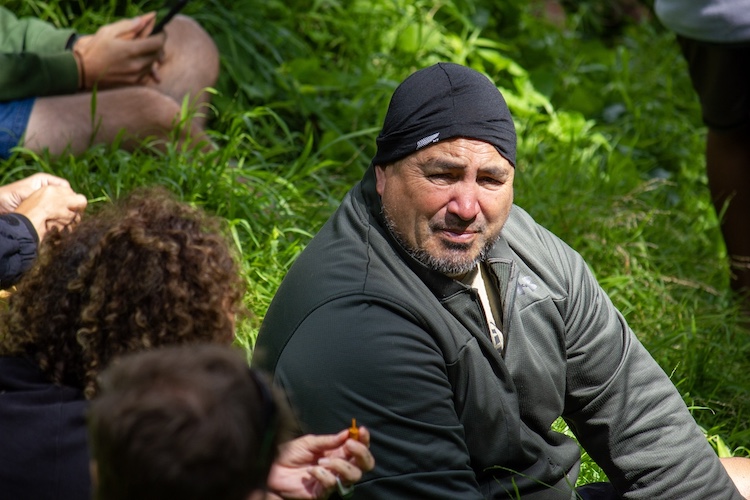
Later, we welcomed Papa Hone Rātana, a respected tohunga and pou rongoā whose mahi spans Tāmaki Makaurau, Waikato and beyond. His presence brought depth to our wānanga, reinforcing the interconnectedness between whenua, mātauranga and hauora. We shared kai again – as always, enriched with local avocados – continuing the rhythm of rongoā and relationship.

Hands to the whenua, breath to the leaves - gathering healing with intention and aroha.

Saturday Afternoon: Hīkoi o te Motu – Awakening Oro

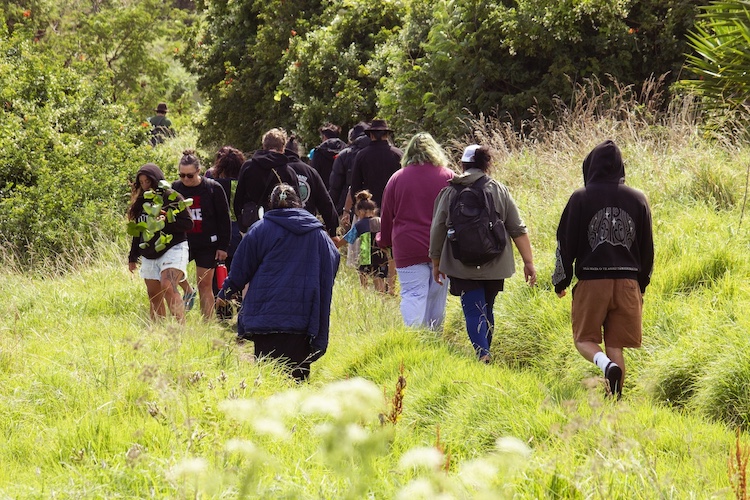
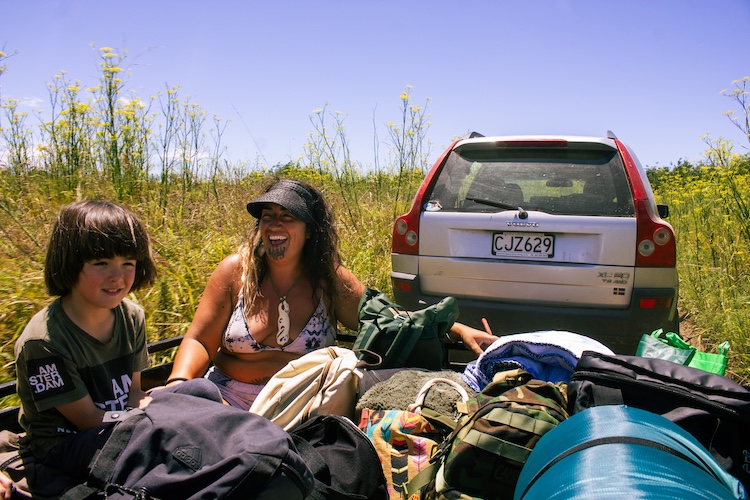
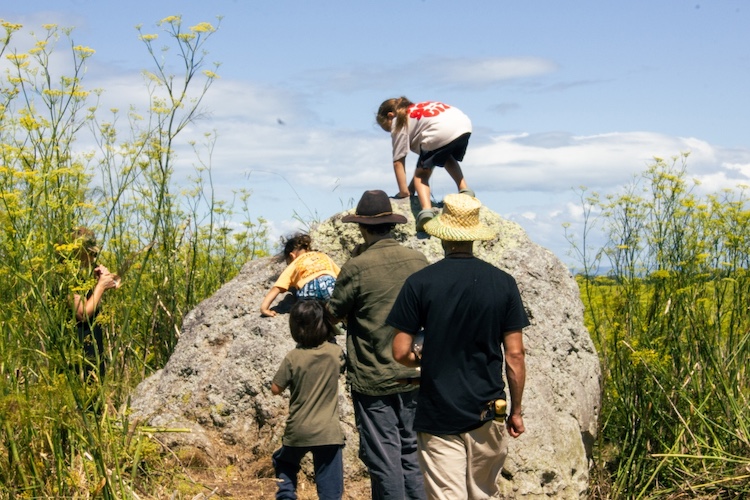
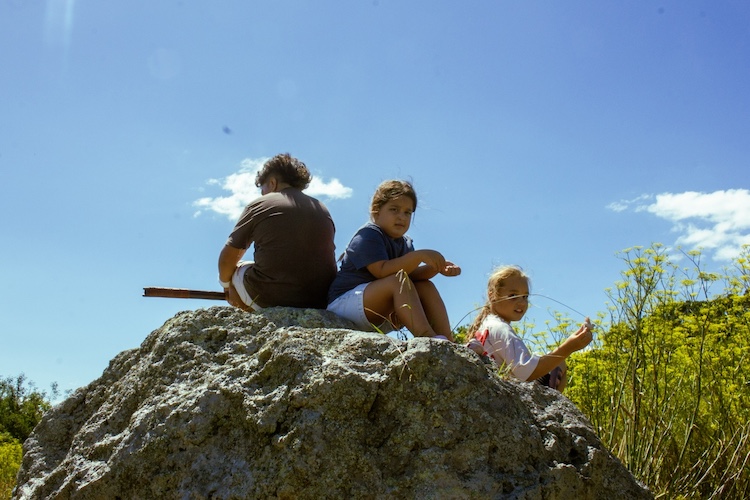
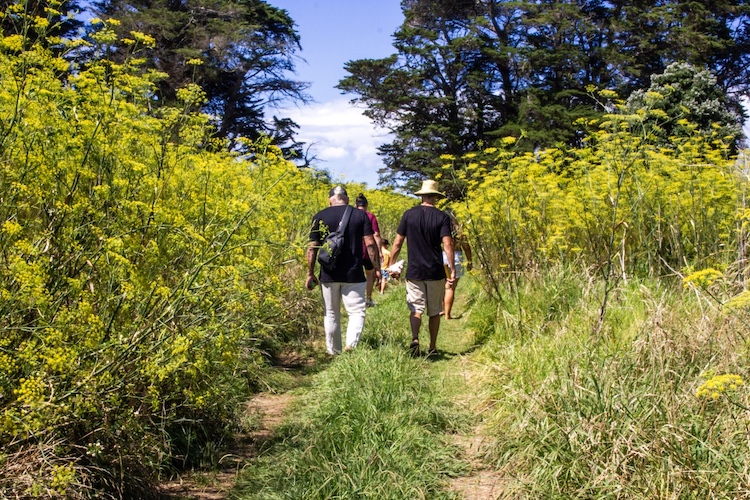
We loaded trailers and vehicles, split into two groups, and began our exploration of the coastal edges of Mōtītī. We journeyed past avocado orchards, out toward Motu Kahakaha Island, Motu Nau Island, and Motu Puta – each island holding its own kōrero and mauri. Along the way, we heard stories of tuatara, endangered skinks, and sacred spaces rarely visited.

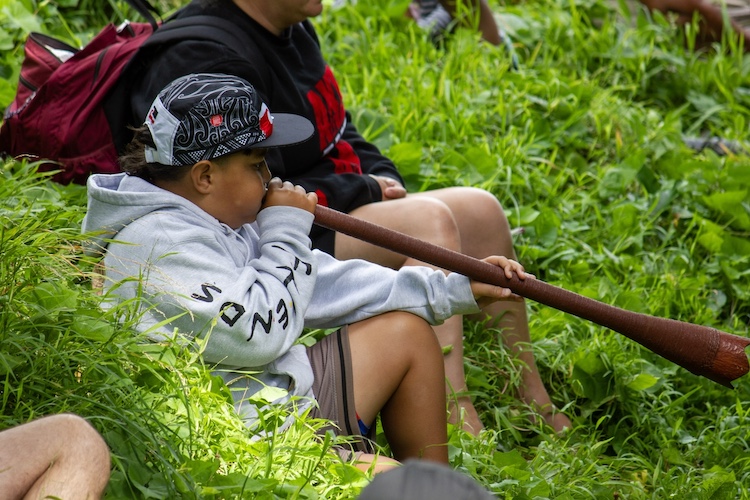
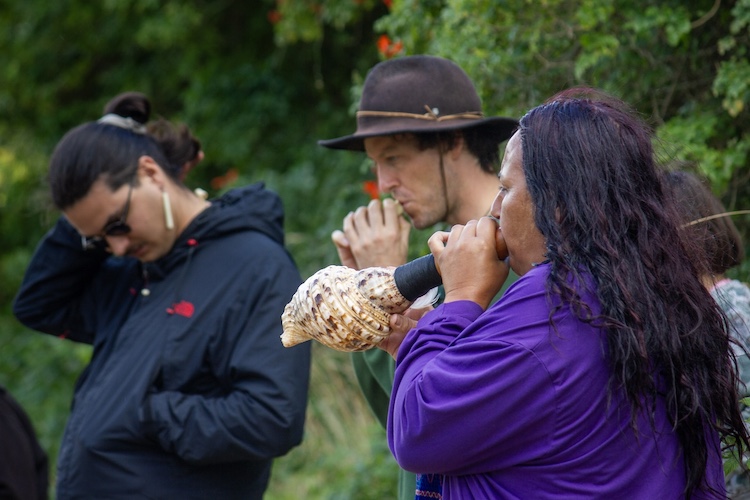
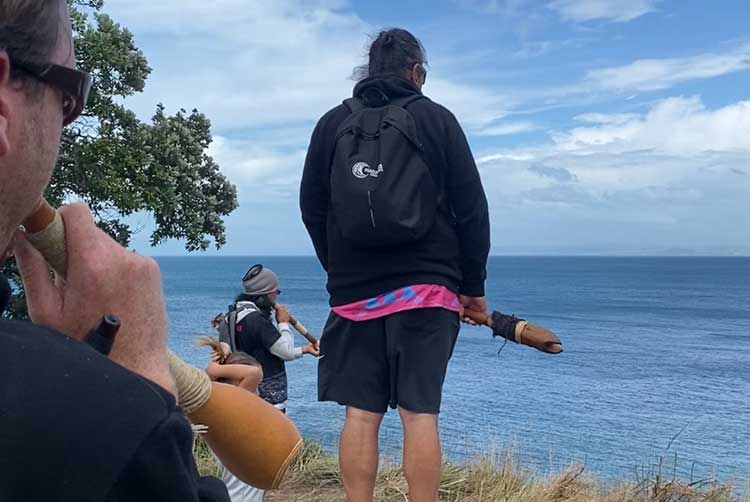
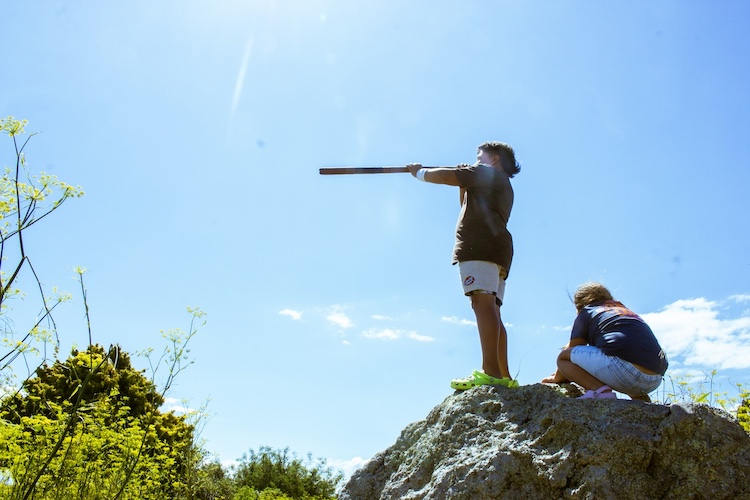
At key sites, we paused to play taonga pūoro. These moments were intentional – a sonic offering to the whenua. For both whare tipuna on Mōtītī, this was the first time in living memory that taonga pūoro had sounded. Each note carried orooro across the land, reconnecting voices to place.

We concluded at Wairere Bay,  with views of Toka Tai Rock, Haui Rock, Toka Tapu Rock, Matarehua Island and the main land Te Ika a Māui in the far distance where golden sands and seaweed offered a peaceful reunion with the tamariki group. Together again, we prepared to turn inward and return to the marae.

Oro Mauri Activation on te moutere o Mōtītī
Activating the oro mauri

Saturday Evening: Pō Rongoā with Papa Hone Rātana

After dinner, the whare became a space of deep learning once more. Hone Rātana led an extended wānanga on rongoā Māori – covering modality, vibration, and the whakapapa of taonga rākau. His kōrero highlighted how sound and vibration can rebalance mauri, reconnecting wairua and body.
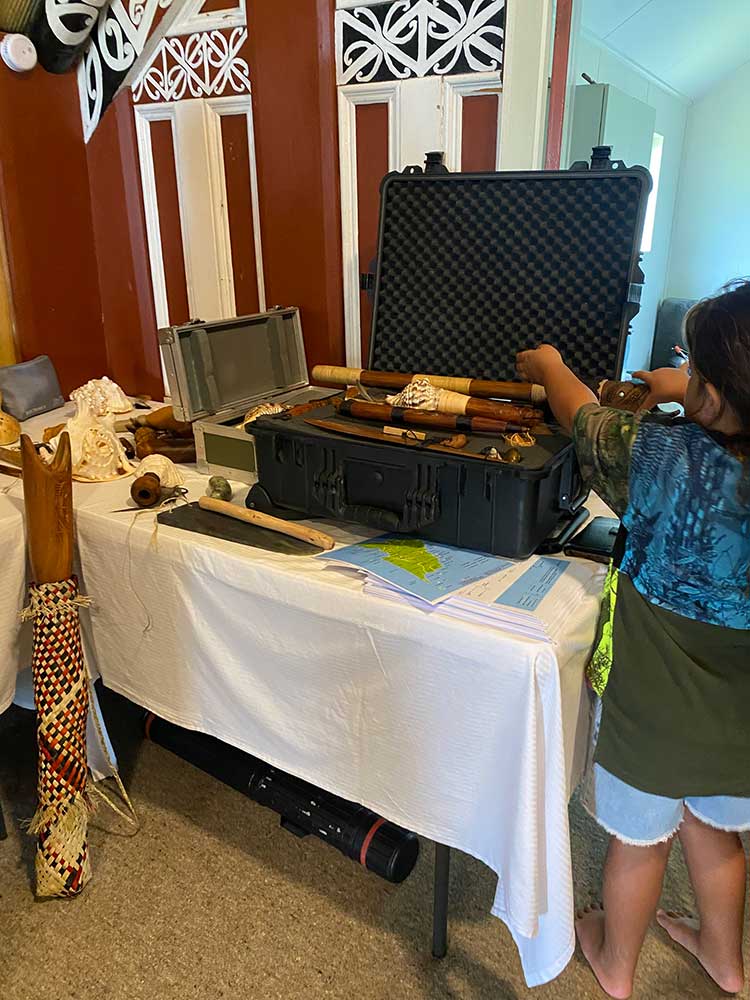
It was a masterclass for experienced practitioners, and a meaningful introduction for those new to the world of rongoā. The session flowed into the night – unhurried, nourishing, and profound.

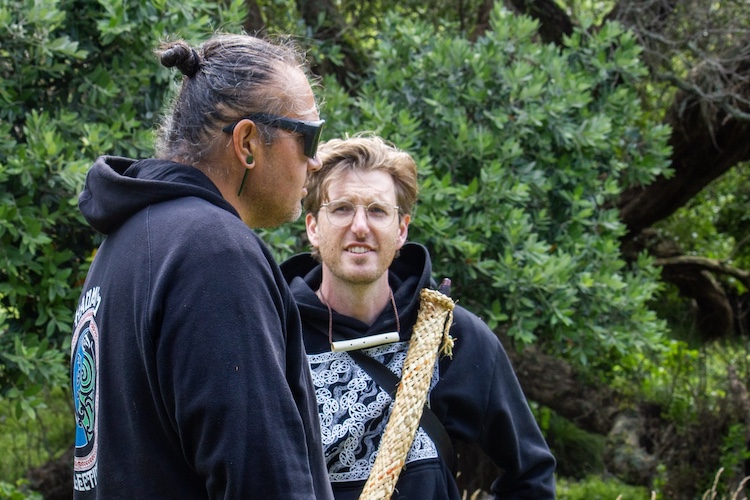
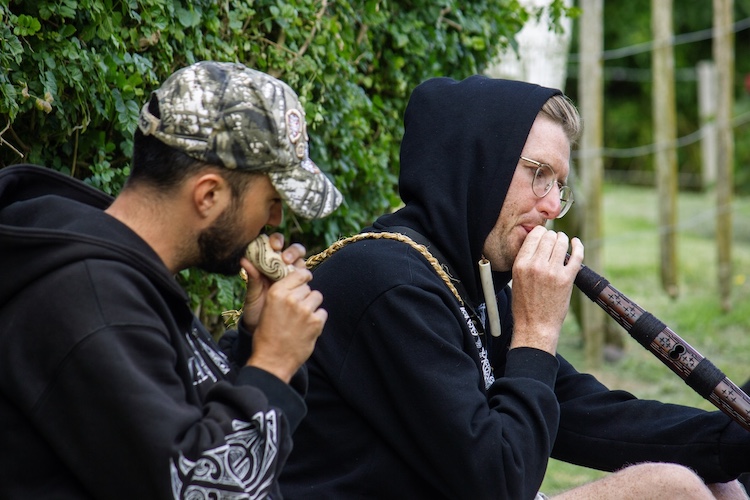
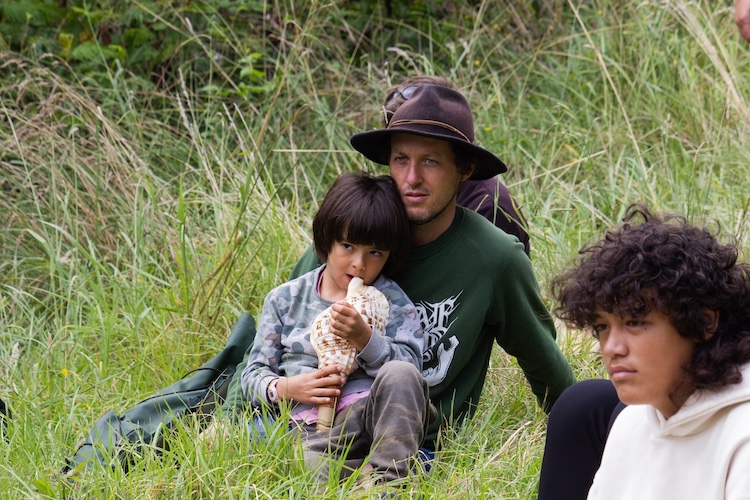
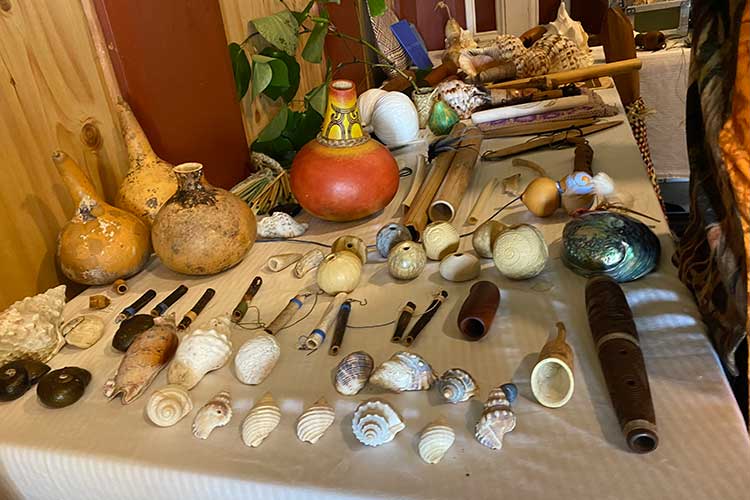
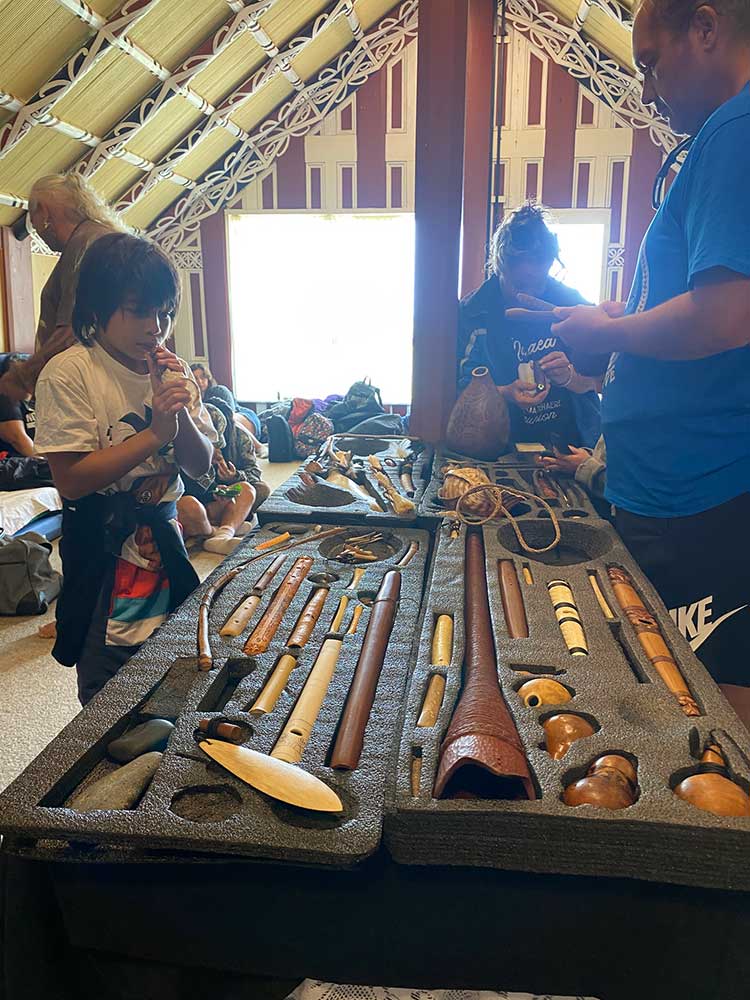
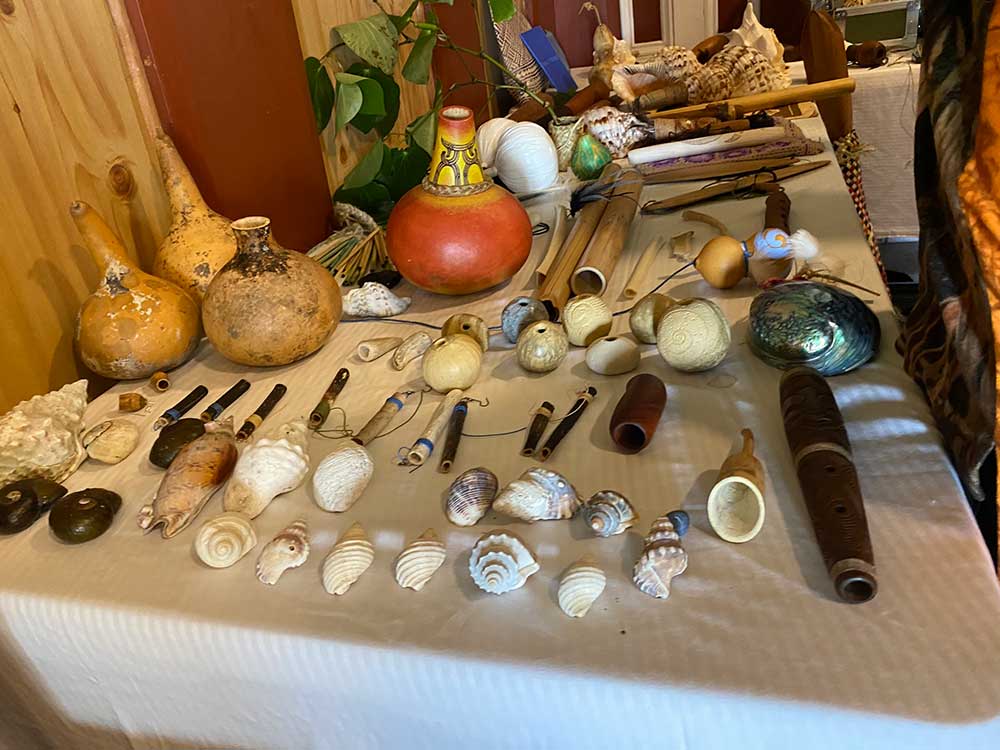
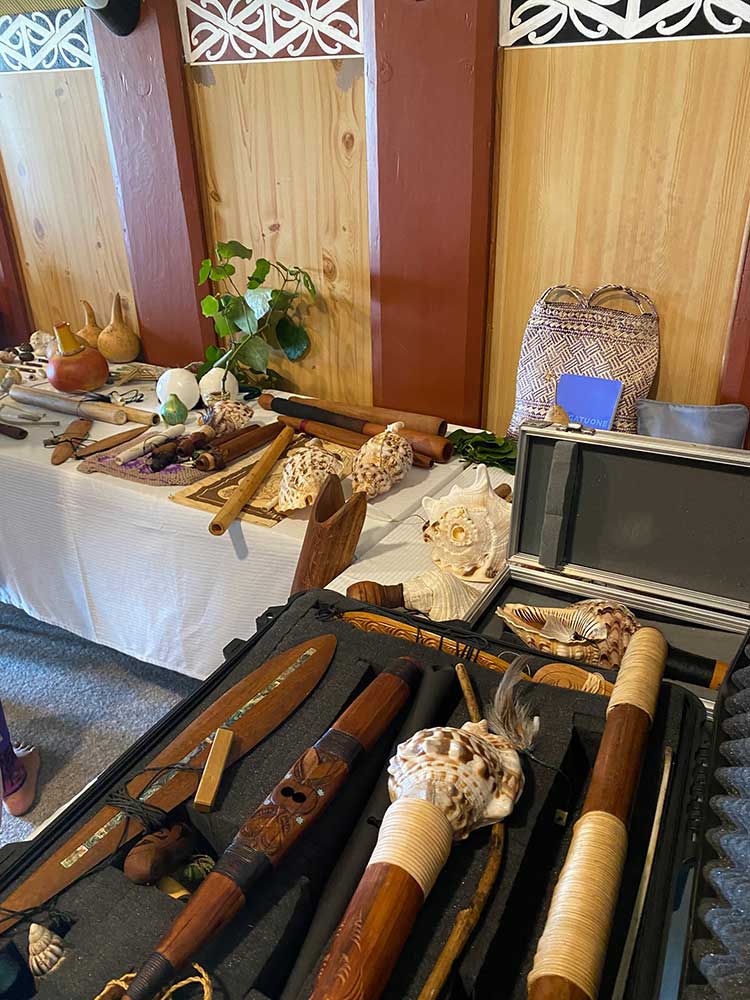
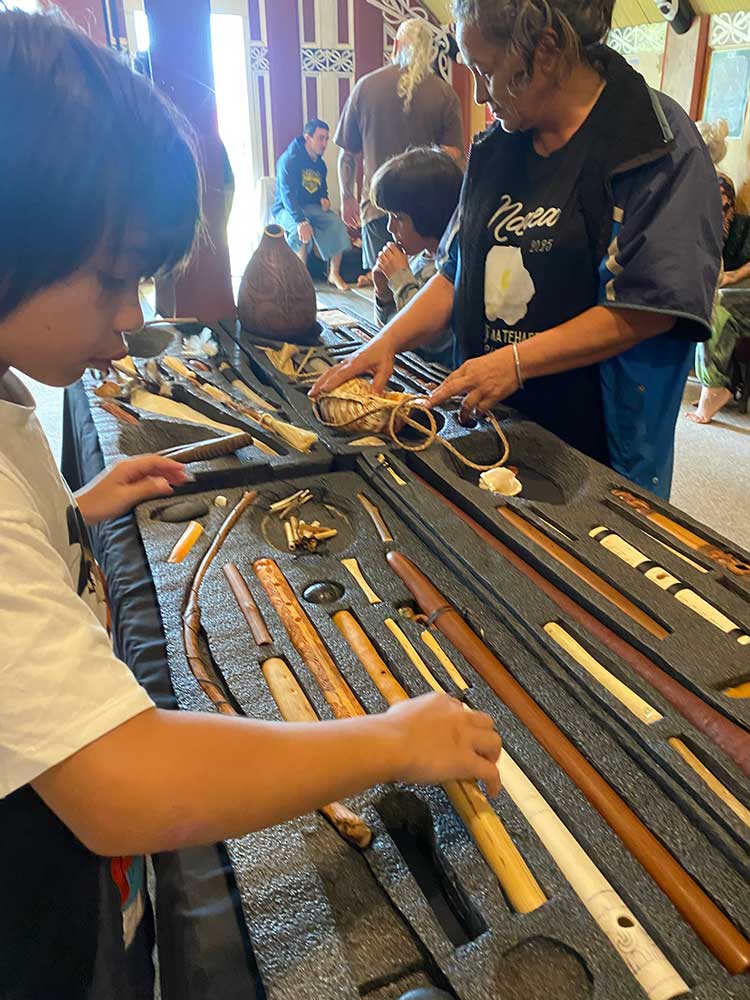
Taonga Pūoro

Sunday: Uku, Poroporoaki, and the Gift of Pūtātara

Sunday opened with breakfast and collective preparation. Each rōpū took care to clean the marae, honouring the mana of the space that had held us.

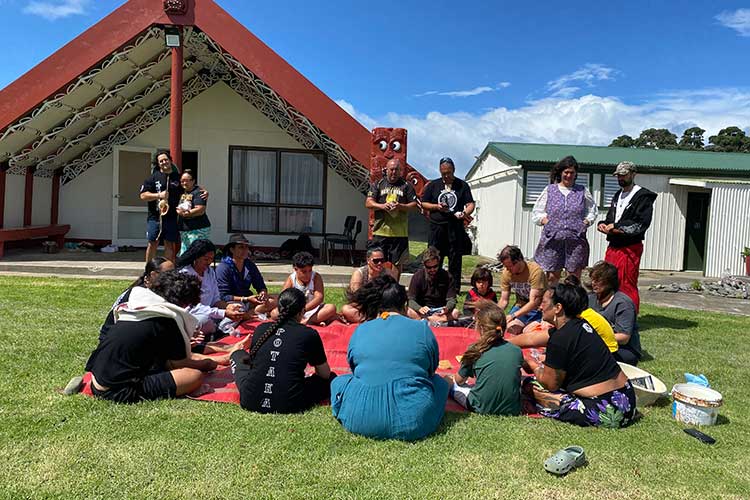
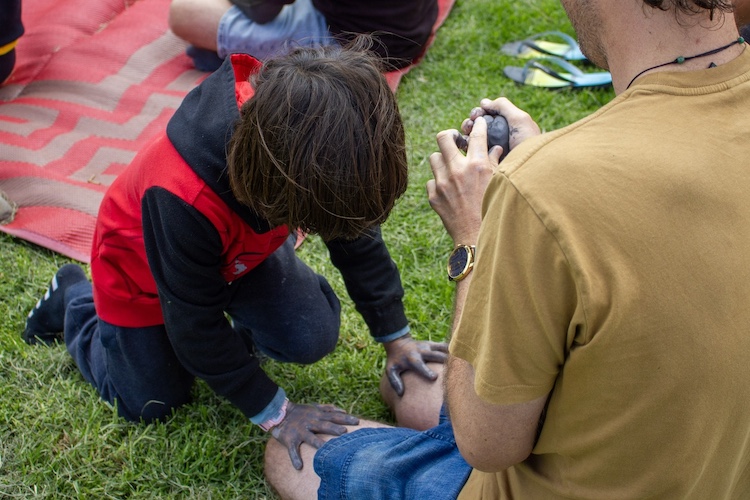
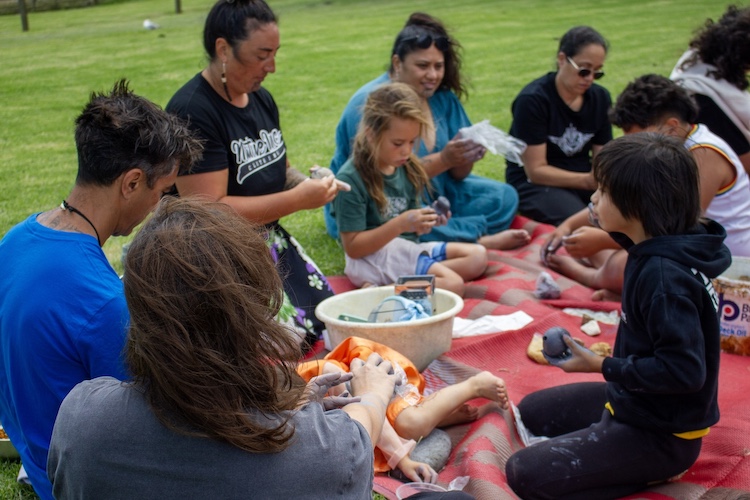
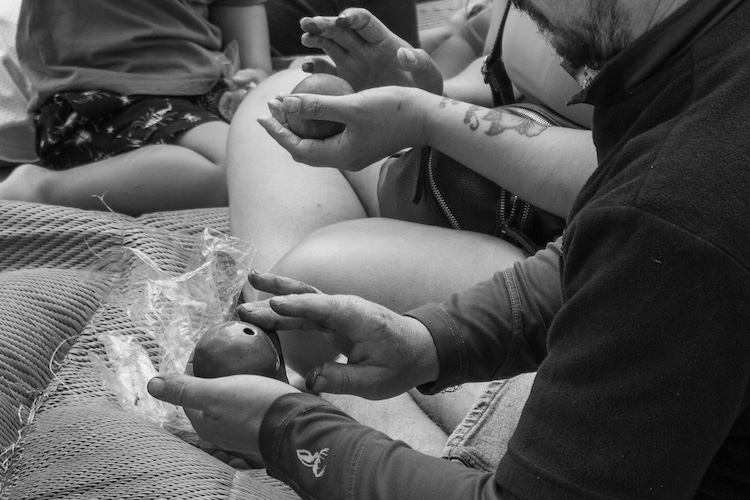
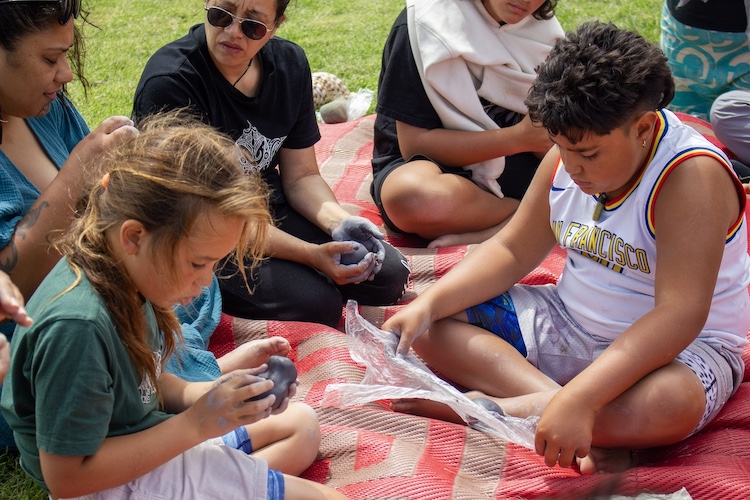
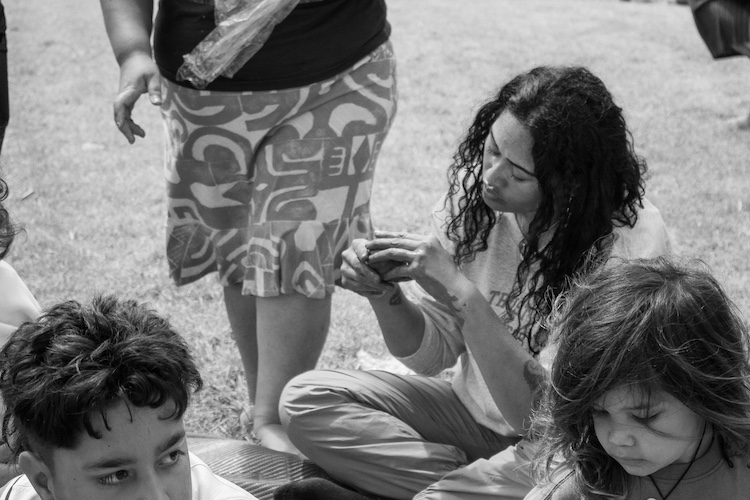
Our final creative session was ukūtangi, led by Rangihuatake (Sharne aka Harakeke Down South). She introduced us to the types of clay (uku) found on Mōtītī and across Aotearoa, and shared how uku can be processed and shaped into taonga pūoro. Those not in the uku session continued with rongoā or enjoyed pūoro together.

Uku Tangi Workshop - Mōtītī
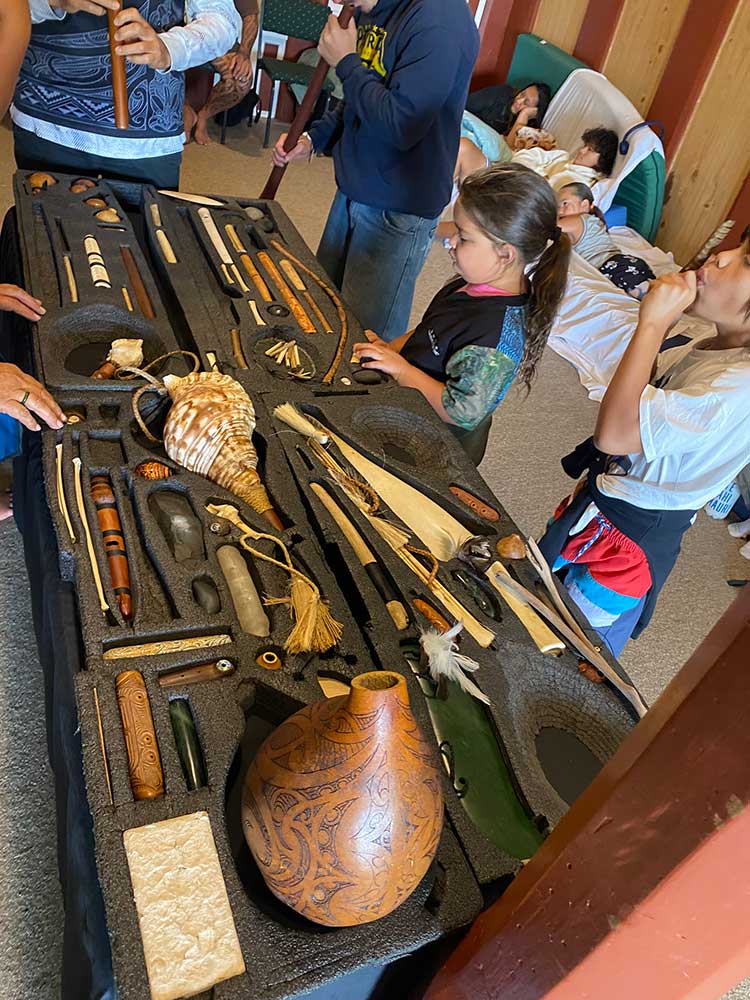
Uku Tangi workshop

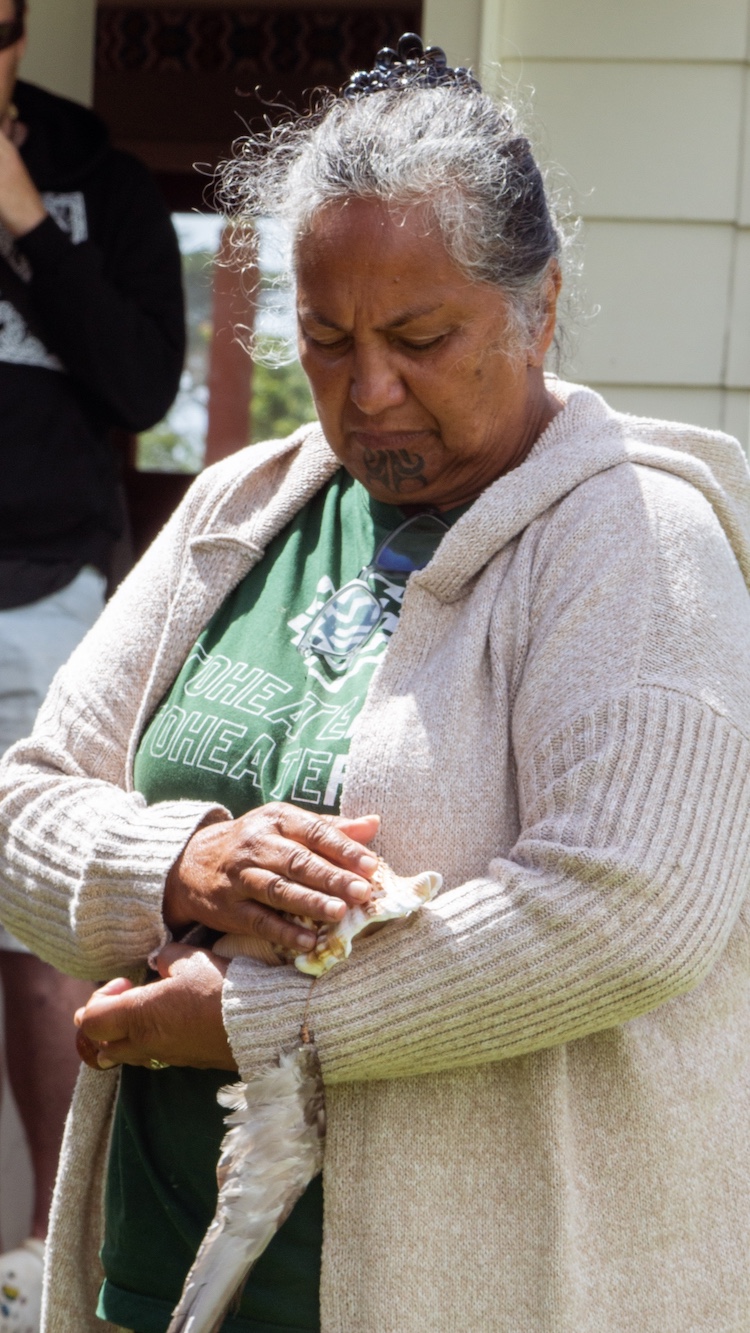
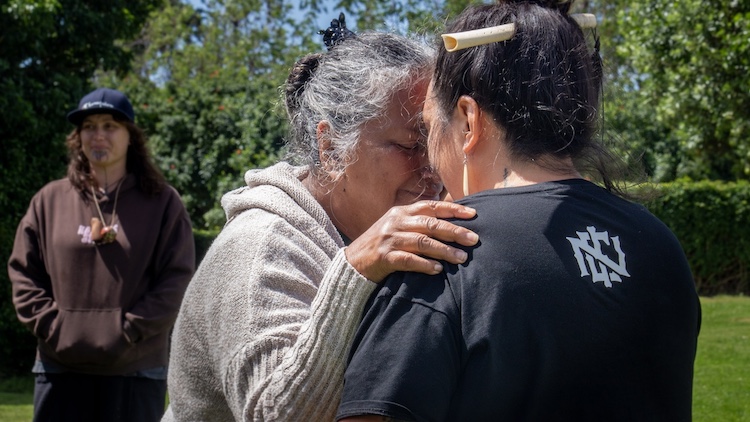
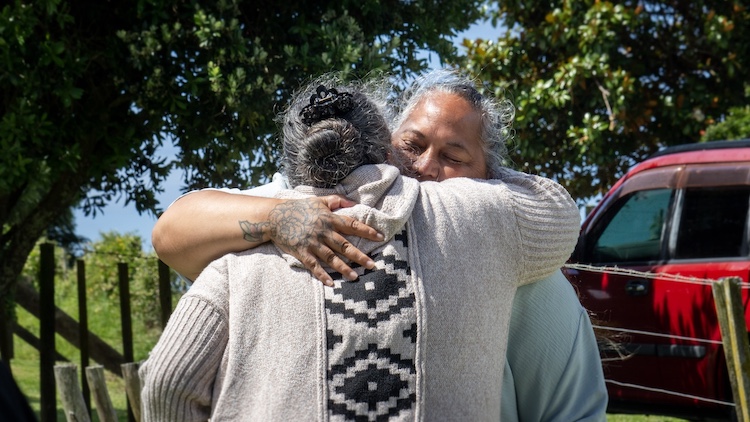
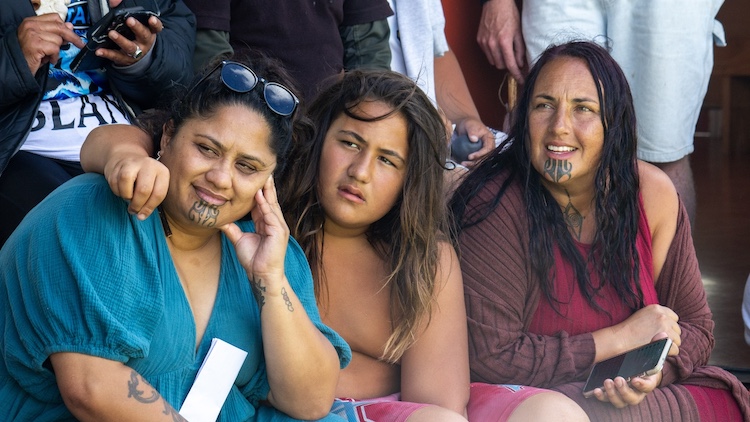
After a light lunch and some gentle rain, we gathered for poroporoaki. Each person shared a memory, a moment, or a learning from the wānanga. We acknowledged the hau kāinga for their manaaki and opened space for final reflections.

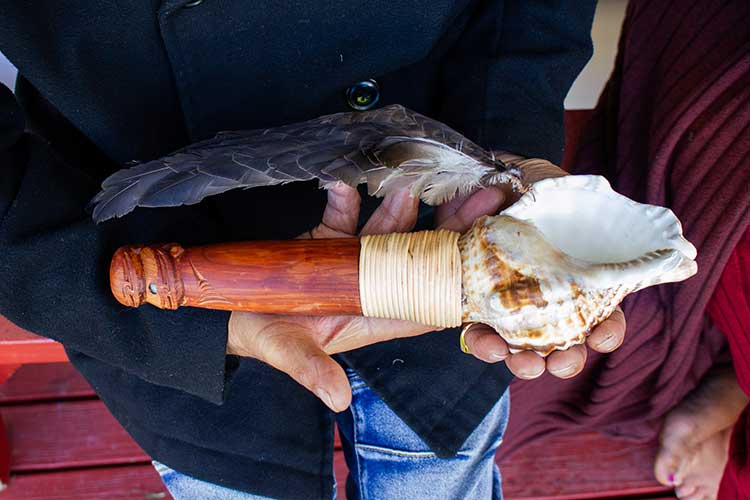
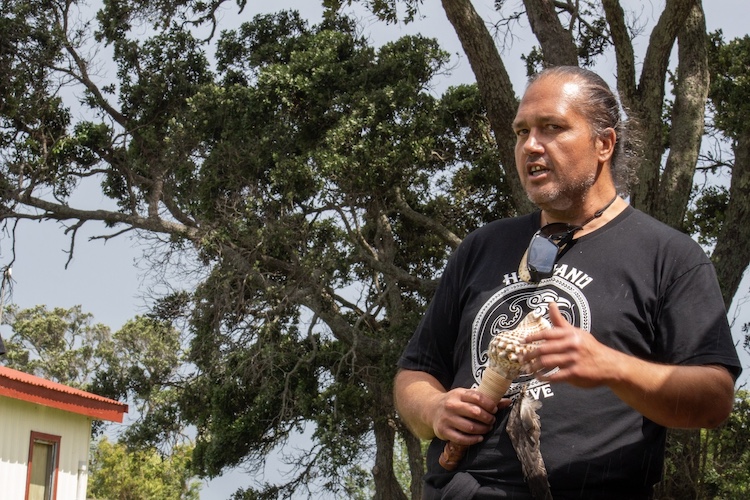
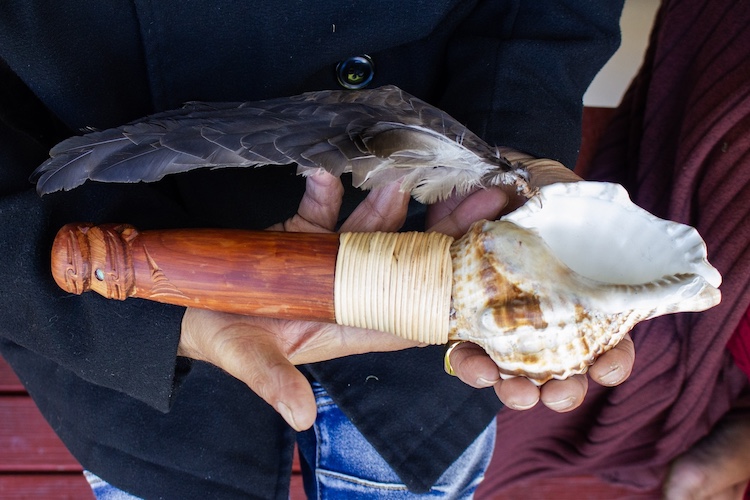
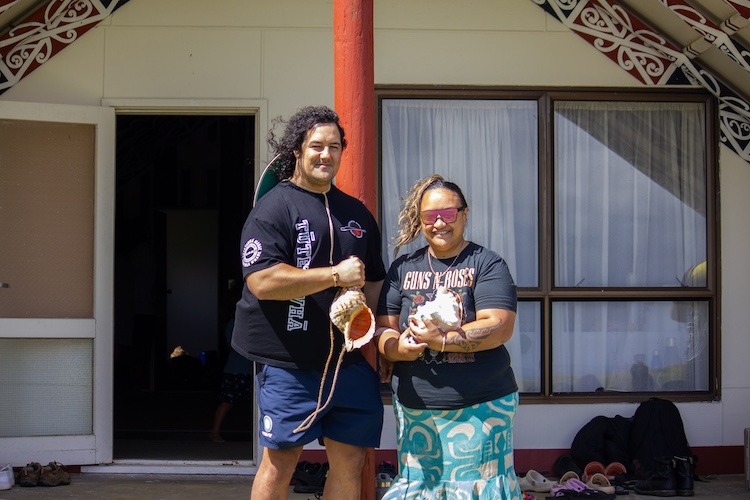
Then, something deeply special: Jo’el Kōmene gifted a pūtātara to the marae. 

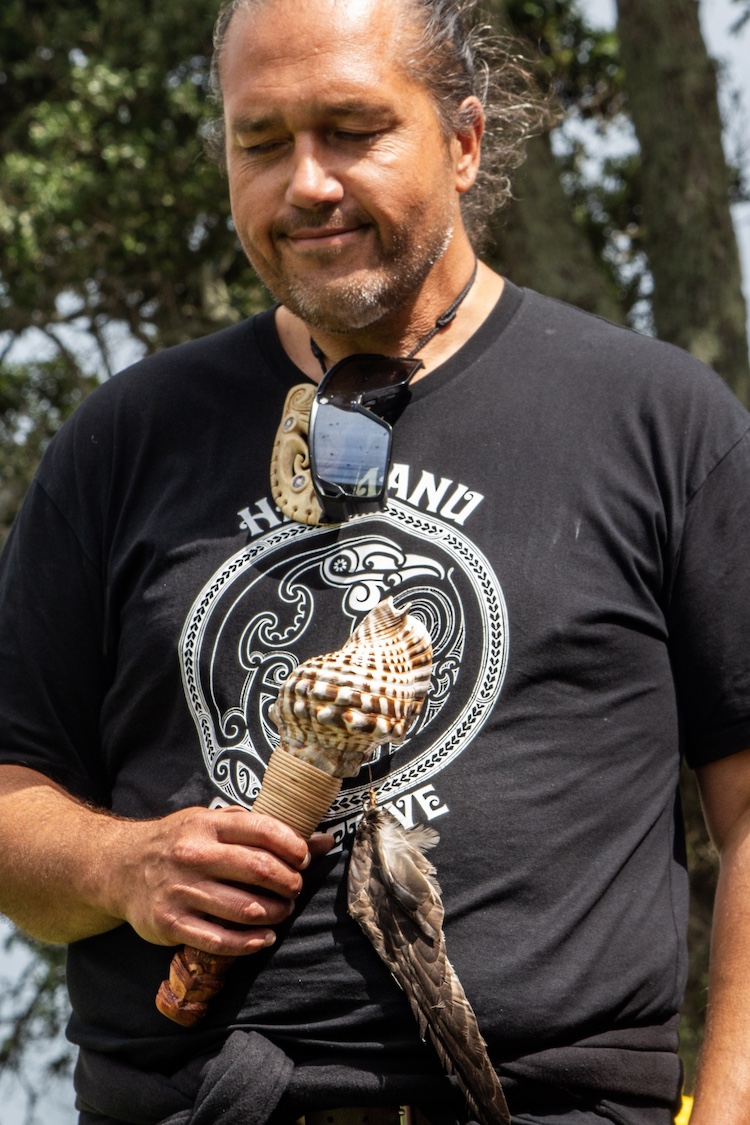
"Inā te rerehua" Pūtātara gifted to Mōtītī Island
Mohanakenake: nā Jo'el Komene - Rōreka i hanga. Held by Hone Ratana

Introducing "Mohanakenake"

The shell comes from the base of Mauao and reconnects Mōtītī Island with the mainland. According to local oral tradition the island and neighbouring islands were all one connected to the mainland.

There was a chief on the island called Ahikaiata of Ngāti Makerewai linage. He is represented by the carved head. He lived at a pā called Otungahoro. At that pā was a matai pourewa (watchman’s lookout ) called Mohanakenake where the tūtei (sentry) would sound the pūtātāra facing the mainland. This is the name given to this Pūtātara.

The paewai (mouthpiece) is made from mataī to embody this kōrero. The wing adornment is from a Tītī bird from the island.

This treasure is a koha to both of the Marae and Whare tūpuna on Mōtītī island Ko Te  Hinga o te rā rāua ko Tamatea ki te Huatahi, to enable the haukāinga and whānau to practice this tikanga from now and into the future when welcoming all those who stand at the kēti. He ihi reo, he wehi oro, he wanna ora e!

This koha is a tikanga that Wai Oro Ariki has established to help in the revival of taonga pūoro as we make our way from marae to marae.

The sound of that Pūtātara now lives on the island – a call, a farewell, and a beginning.

One by one, we returned to the airstrip and boarded the planes home. The echoes of taonga pūoro followed us, still resonating through the whenua.

He Kupu Whakakapi – A Living Legacy

Wai-Oro-Ariki Wānanga Taonga Pūoro ki Mōtītī was more than a wānanga. It was a return. A reawakening. A reconnection of sound and land, healing and memory.

Taonga pūoro now vibrate again through the whare, dunes, and bays of Mōtītī. The gifted pūtātara remains as a sonic marker of this kaupapa – and, we hope, as the seed of a growing collection.

Haumanu Collective extends our deepest gratitude to the hau kāinga, our kaiako, the taiao,our Wai-Oro-Ariki whānau, the Tūturu Trust and every participant who carried the kaupapa with grace and aroha.

Kia mau, kia whakatipu, kia tuku iho ai ngā taonga pūoro Māori.
Let us hold, grow, and pass on the gifts of our sound.

maoMāori