Ko wai a Hīrini?
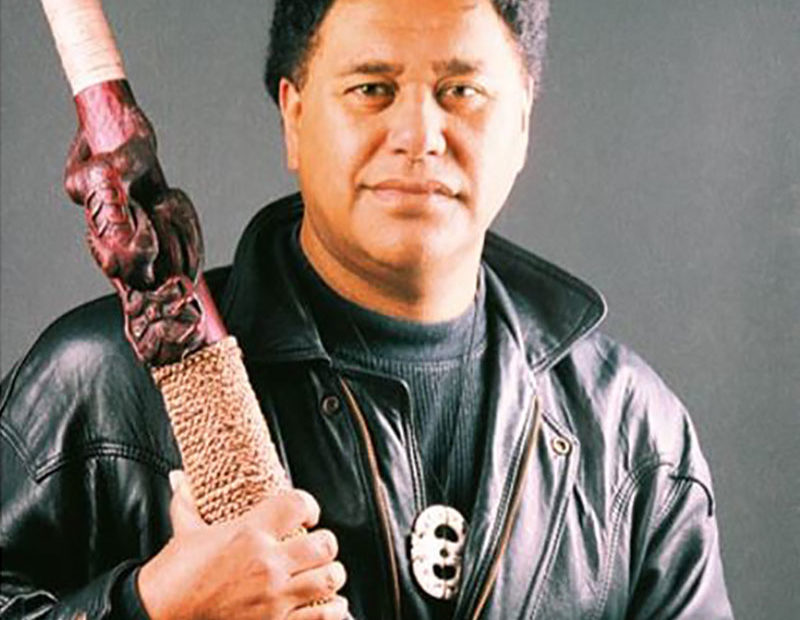
Hīrini (Sid) Melbourne (Ngāi Tūhoe, Ngāti Kahungunu) is one of our rangatira whose life and legacy continue to guide the kaupapa of Haumanu Collective.
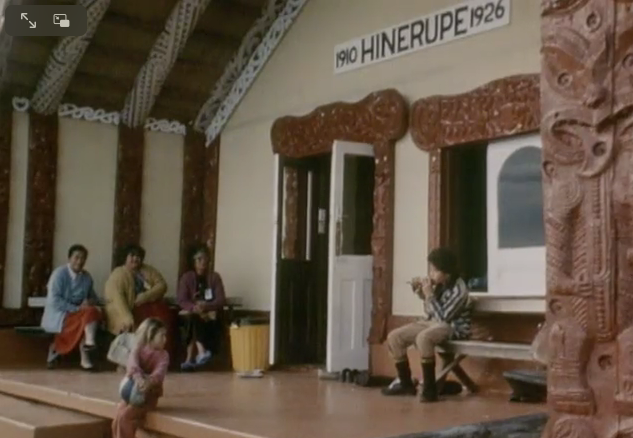
Born 21 July 1949 in Te Urewera and raised in Rūātoki, Hīrini grew up immersed in te reo Māori, tikanga, and the living world of the ngahere. His deep listening – to birds, winds, and silence – became the foundation of his musical voice. We know that one instrumental inspiring moment was attending a wānanga in Te Araroa with Joe Malcolm in 1974.
Hīrini was a composer, singer, poet and academic whose work became a cornerstone of the modern revival of Māori language and musical traditions. A fluent native speaker raised in the Rūātoki valley, Melbourne dedicated his life to promoting te reo Māori and to rediscovering the sound worlds of ngā taonga pūoro (traditional Māori instruments). His melodic waiata are sung in classrooms throughout Aotearoa and his recordings with ethnomusicologist Richard Nunns inspired a generation of musicians. Melbourne’s commitment to the language and the land, his work as a university lecturer and editor, and his activism with Ngā Tamatoa make him one of the most influential Māori cultural figures of the late twentieth century.
Learn more:
Early life & education
Melbourne was born in Te Urewera on 21 July 1949 and grew up in the Rūātoki valley. He descended from the Ngāi Tūhoe and Ngāti Kahungunu iwi and was raised in a community where the Māori language was universally spoken. His parents, farmer Harry Melbourne and Nawarihi Melbourne (née Puna), named him Sydney at birth, a name he later translated into its Māori form, Hirini. From a young age he loved birds and insects and spent hours observing them. He attended Rūātoki primary school before studying at Te Aute College and the University of Auckland. Elders such as John Rangihau, Tīmoti Kāretu and Te Wharehuia Milroy encouraged him to master the written and spoken language, and he undertook formal Māori language study at university. After graduating, Melbourne taught briefly but found the school environment constraining. He joined the Department of Education’s School Publications Branch and became an editor of Māori language resources. During this period he began writing simple songs and stories that reflected the urban Māori experience.
Activism & social justice
While studying at Auckland University in the early 1970s Melbourne joined Ngā Tamatoa, an activist group that petitioned the government for Māori language to be taught in schools. The organisation’s campaign for language rights profoundly shaped his music and writing. Melbourne composed protest and social‐commentary songs such as “Pureora” (an environmental protest song about native forest logging) and “Hinepūkōhurangi” (1982), a cassette album that addressed issues like the proposed Aramoana aluminium smelter and Māori unemployment. He remained committed to kaupapa Māori and used his compositions to encourage unity; his waiata “Ngā Iwi E” called for solidarity among Pacific peoples during the 1984 Festival of Pacific Arts.
Career & musical development
Early songs & recordings
Melbourne’s early recordings were mainly children’s albums that combined guitar with bird calls. Releases such as “Children of Tāne” (1979) and “Friends of Māui – New Zealand Birds of the Sea” (1980) introduced young listeners to forest and sea birds through simple melodies and te reo Māori lyrics. With producer David Somerset he recorded “Te Aitanga a Tāne: Trees, Birds & Insects” (1984) and later returned to Rūātoki to record the choir at his old primary school for “Rūātoki Children Sing Songs by Syd Melbourne” (1985). The social‐issue cassette “Hinepūkōhurangi” (1982) featured singer Te Rita Papesch and underlined his support for Māori rights.
Collaboration with Richard Nunns & revival of taonga pūoro
In the late 1980s Melbourne became fascinated by traditional instruments he had seen lying unused in museum cases. A workshop on instrument making led to his meeting with musician and ethnomusicologist Richard Nunns. Together with instrument‐makers such as Brian Flintoff, they began researching, constructing and playing instruments like the kōauau (cross‐blown flute), pūtorino (bugle flute), pūrerehua (bull‑roarer) and nguru (nose flute). From 1989 the pair performed on marae, in schools and at festivals across Aotearoa, drawing audiences into the sonic world of ngā taonga pūoro. Their 1991 album “Toiapiapi” and the seminal 1994 album “Te Ku Te Whē” blended original and traditional compositions; the latter was recorded in a day and a half and sold around 12 000 copies, becoming a benchmark for the revival of taonga pūoro. The partnership continued with “Te Hekenga‑ā‑rangi” (2003) featuring Aroha Yates‑Smith, recorded weeks before Melbourne’s death. A remixed version of Te Ku Te Whē, “Te Whaiao” (2006), layered digital textures with live performances and introduced the instruments to new audiences.
Music for film & screen
Melbourne wrote and performed music for a number of landmark films. He composed the soundtrack for Merata Mita’s feature “Mauri” (1988) and served as a Māori music consultant for “Once Were Warriors” (1994). With Clive Cockburn he co‑composed the music for “The Māori Merchant of Venice” (2003), the first feature film made entirely in te reo Māori.
Academic & institutional roles
Hīrini joined the University of Waikato in 1978 and ultimately became an associate professor and dean of the School of Māori and Pacific Development
*. His scholarly writings form a core part of Māori‑language collections. Beyond academia he served on the boards of the New Zealand Film Commission and the New Zealand Music Commission, and was an assessor for Te Waka Toi and the Creative New Zealand Arts Board. These roles reflected his commitment to nurturing Māori arts and ensuring that Māori perspectives were represented in national cultural policy.
Honours & legacy
Melbourne’s contributions were recognised in his lifetime. In March 2002 the University of Waikato awarded him an honorary doctorate. He received the Te Waka Toi exemplary award for outstanding service to Māori arts later that year. In the 2003 New Year Honours, he was appointed an Officer of the New Zealand Order of Merit for services to Māori language, music and culture. Melbourne died on 6 January 2003 after a long battle with cancer. In 2009 he and Richard Nunns were jointly inducted into the New Zealand Music Hall of Fame, recognising their role in reviving ngā taonga pūoro.
Hīrini's Recordings
-
Children of Tāne (New Zealand Birds of the Forest) – Viking 1979Songs about native forest birds with guitar accompaniment
-
Friends of Māui – New Zealand Birds of the Sea 1980Companion album featuring songs about seabirds
-
Hinepūkōhurangi – Replay Radio 1982
Cassette album addressing social issues such as the Aramoana smelter and Māori unemployment; features Te Rita Papesch
-
Rūātoki Children Sing Songs by Syd Melbourne – Replay Radio 1985
Recorded with the children’s choir at Rūātoki School; captures bilingual teaching and local dialect
-
Toiapiapi (Titi Tangiao; re‑issued 2016) 1991
Early collaborative album using a range of traditional instruments
-
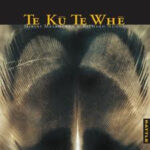
Te Ku Te Whē – Rattle Records 1994Landmark album recorded in 1½ days; pivotal to the revival of taonga pūoro
-
Te Kuraroa – Kia Ata Mai 1998
Later solo album recorded after his taonga‑puoro collaborations
-
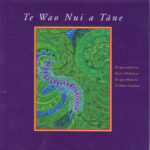
Te Wao Nui ā Tāne – Huia 1999Collection celebrating the great forest of Tāne
-
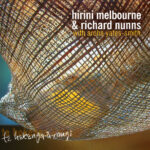
Te Hekenga‑ā‑rangi – Rattle Records 2003Recorded weeks before Melbourne’s death; features Aroha Yates‑Smith
-
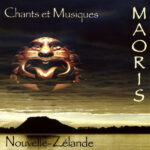
Hirini Melbourne & Richard Nunns – Chants Et Musiques Maoris 2004 -
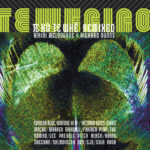
Te Whaiao (Te Ku Te Whē Remixed) – Rattle Records 2006Remix album layering digital textures with taonga pūoro performances
-
Toiapiapi 2016
https://www.discogs.com/release/10296063-Hirini-Melbourne-Toiapiapi
Video & media resources
The following videos and documentaries provide valuable insights into Melbourne’s work and the wider revival of taonga pūoro. Many are available on NZ On Screen or Ngā Taonga websites.
