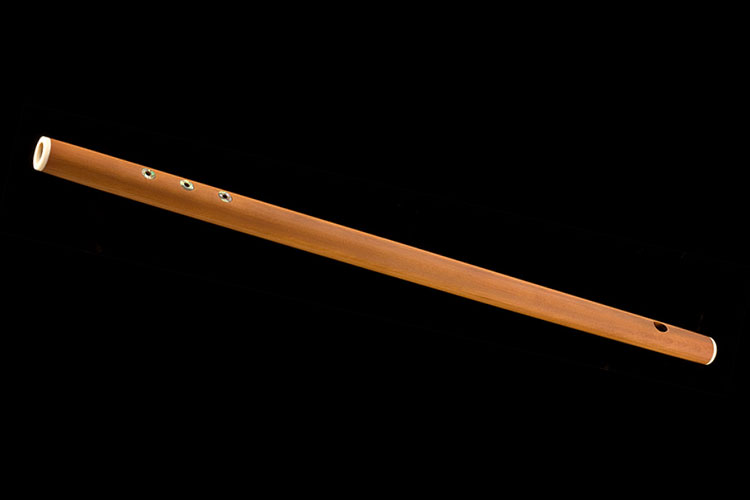
Rehu
Rehu are long flutes with a closed top and a transverse blowing hole, but with finger holes like the pōrutu. It’s name is an old one and suggests it was a prized embellisher of song. Rehu are similar to Pōrutu.
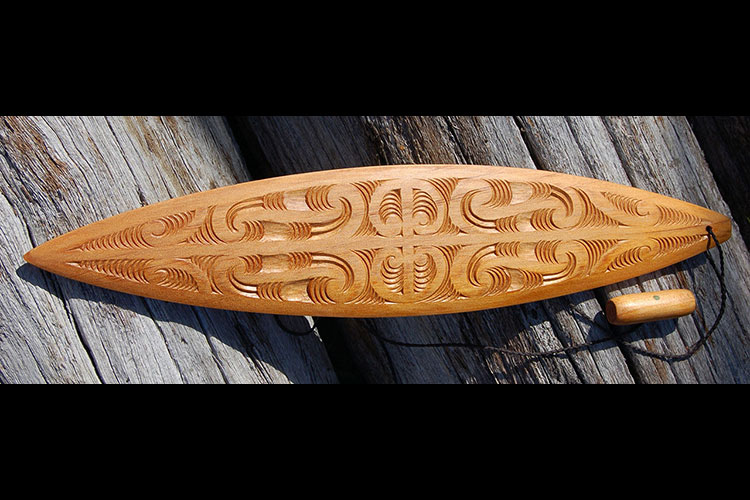
Pūrerehua / Turorohu
Pūrerehua or turorohu create eerie sounds as they spin on the ends of their cords. Stories are told of them calling rain, summoning tears and even enticing food from hiding places.
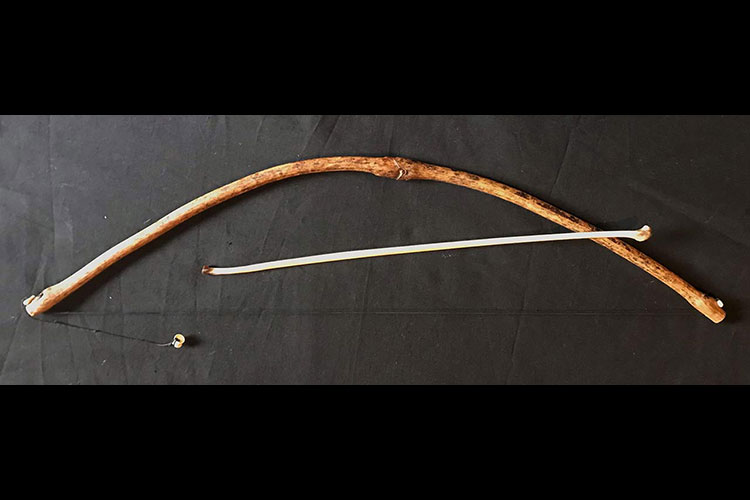
Te Kū
Te kū is a single stringed bow and is tapped with a rod while using the mouth cupped over the string to modify the resonance of sound- similar to the rōria.
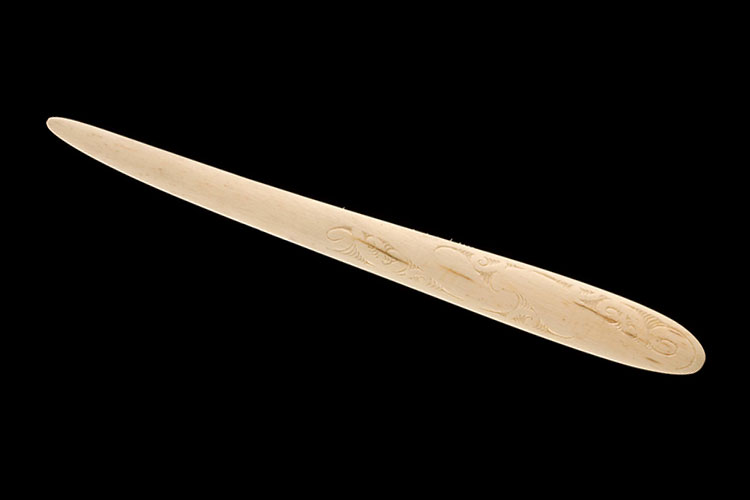
Rōria
This instrument is similar to the Jew’s harp. It has a slender tongue of bone or wood and is plucked to create sound through vibration. The mouth is used to manipulate the sound and produce various resonances.
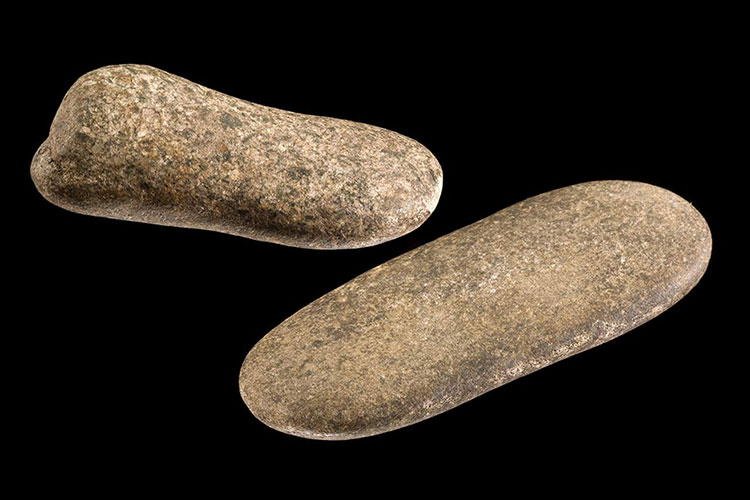
Tumutumu Kōhatu
Kōhatu (stones) are from the family of Papatüänuku. When tapped or rubbed together they resonate the movements of the earth mother. Kōhatu are the rhythm keepers.
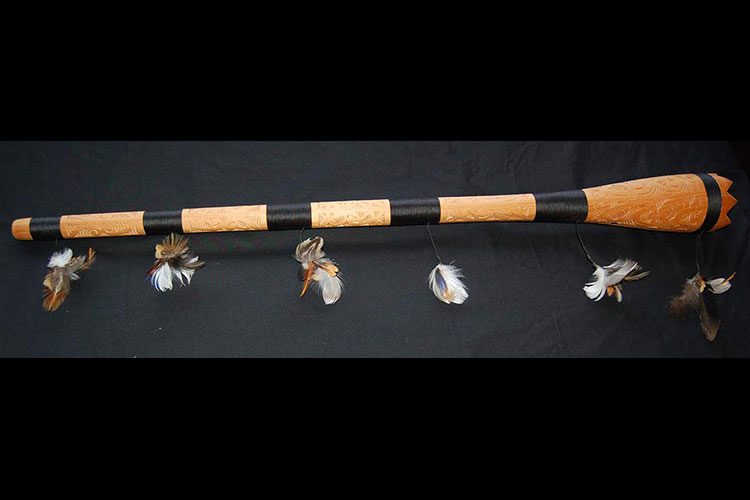
Pūkāea
The pūkāea was a wooden trumpet, up to 2.5 metres long. It was made by splitting a length of mataī, hollowing out each half, then binding them together, often with the aerial roots of the kiekie vine. The narrow end had a carved wooden mouthpiece and the other was flared out.
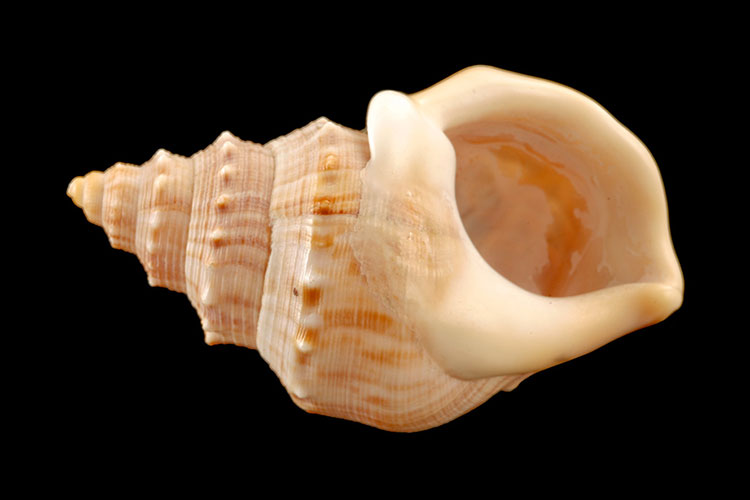
Pūtangitangi
Pūtangitangi is often a term used to describe the harmonica or mouth organ. However, it’s name originally relates to the small seashells used to create a harmonious note.
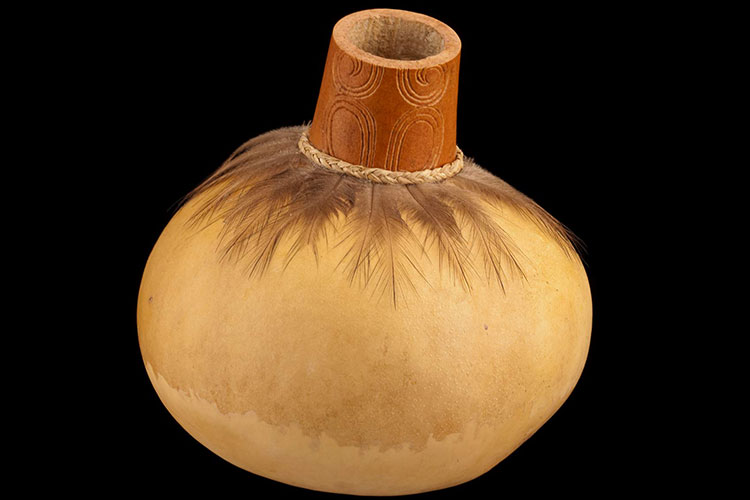
Hue Puruhau
These are large hue with the seeds removed. The neck is cut off and the sound comes from blowing over the top to create a vibrant bass sound.
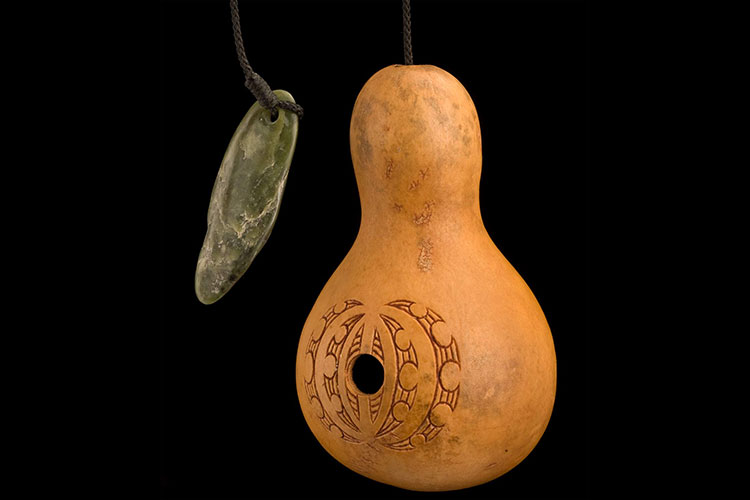
Poi Awhiowhio
This is a whistling gourd. They are swung on a cord (similar to the playing of the purerehua) and create a gentle, soft whistling sound.
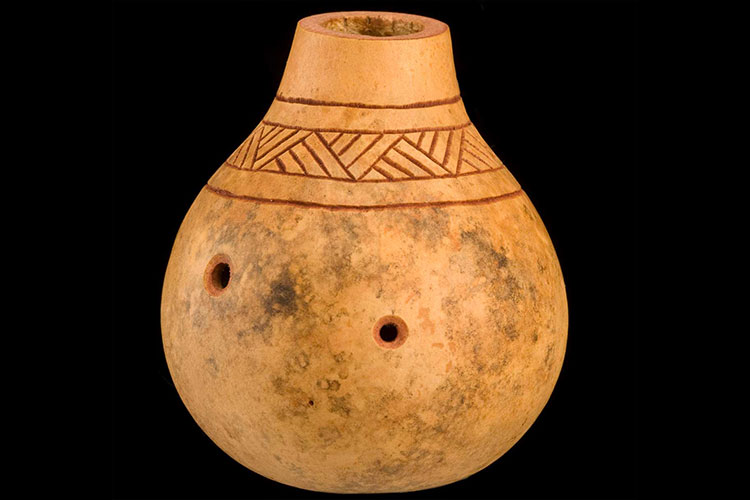
Kōauau Ponga Ihu
This is a hue with its neck removed and is played with the nostrils to create a magical, enchanting sound.
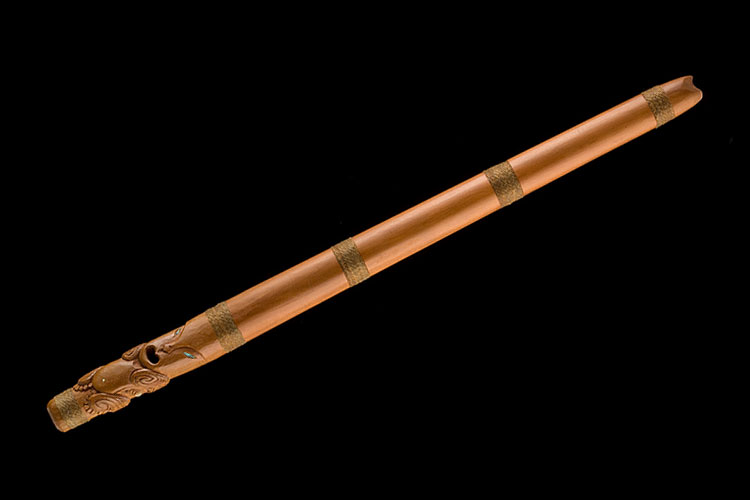
Pūmotomoto
Pūmotomoto are long flutes with a notched open top which becomes the blown edge and a single finger hole near the end. The pūmotomoto was traditionally played over the fontanelle of an infant to implant songs and information of the child’s iwi directly into his/her conscious.
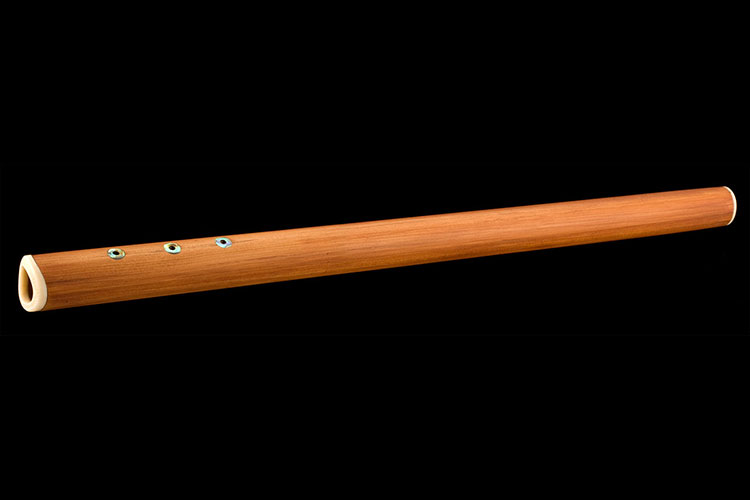
Pōrutu
Pōrutu are essentially long kōauau with usually three (but up to six) holes of the same relative spacing as kōauau but located near the bottom end.
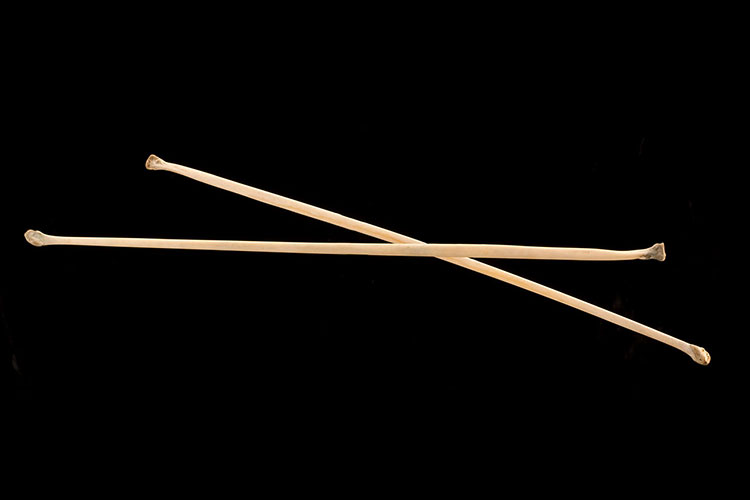
Pākuru
Pākuru are long resonant rods held between the teeth and rhythmically tapped as they are sung over.
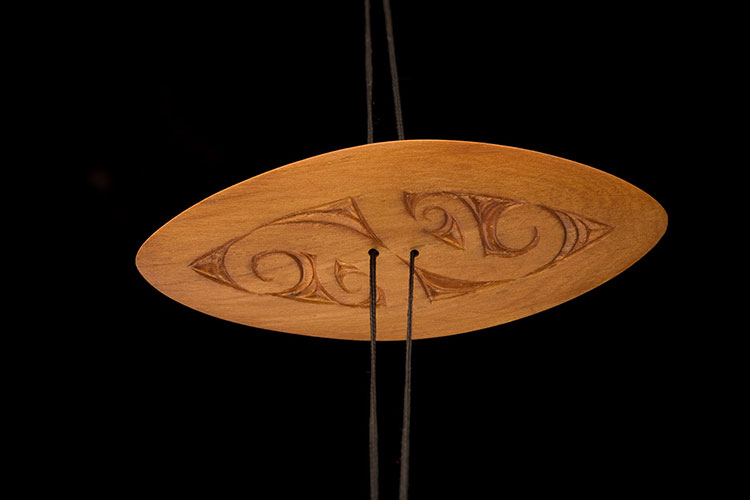
Porotiti
Porotiti are small discs with a looped cord, which are spun and create special rhythms as they wind and unwind.
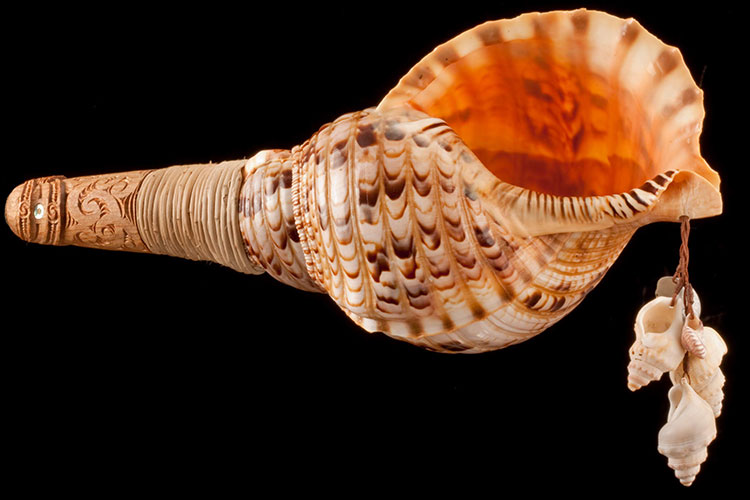
Pūtātara
To create a signalling trumpet called a pūtātara or pūmoana, the narrow end of a conch shell was cut off and a wooden mouthpiece added.
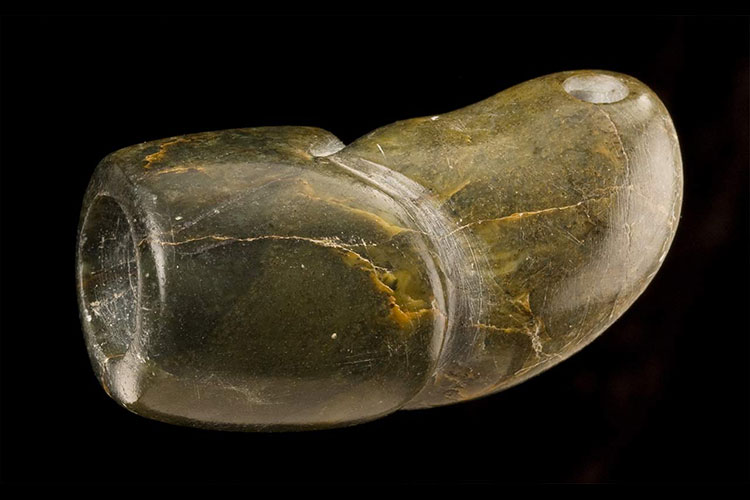
Karanga Weka
The sound is made placing the finger over the hole at the tapered end then blowing into the mouthpiece and at the same time quickly releasing the finger.
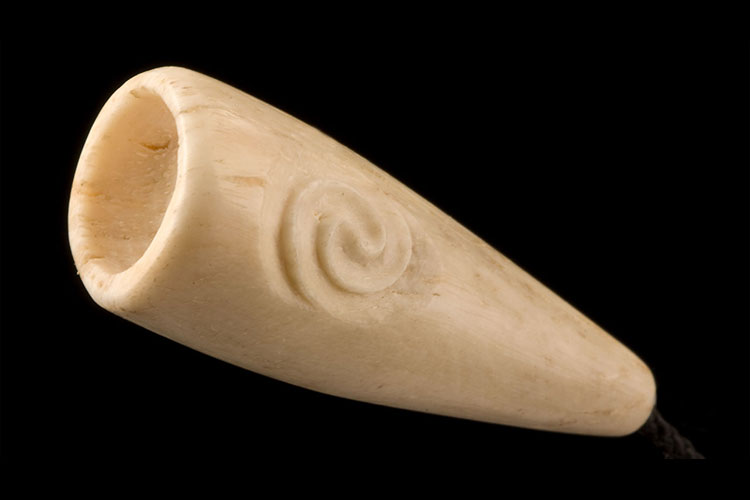
Karanga Manu
Karanga manu or kōauau pūtangitangi are calling flutes. They were tiny flutes used to lure birds by mimicking their own calls
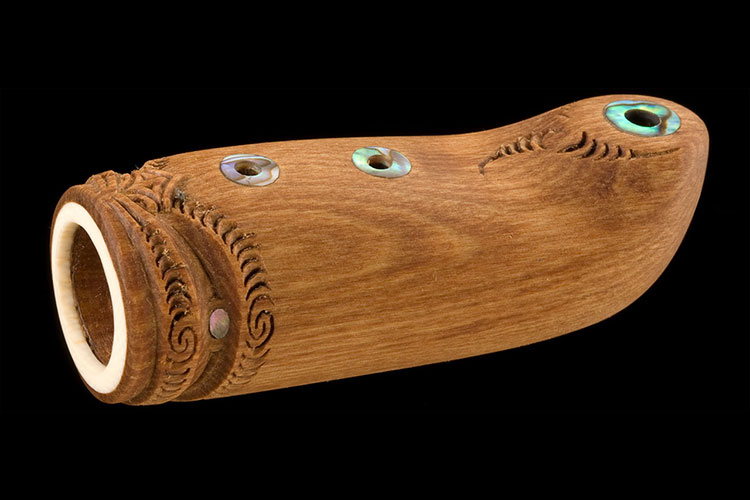
Nguru
Nguru (which are unique to New Zealand) are short semi-enclosed flutes with an upturned end, made from stone, wood or a whale tooth.
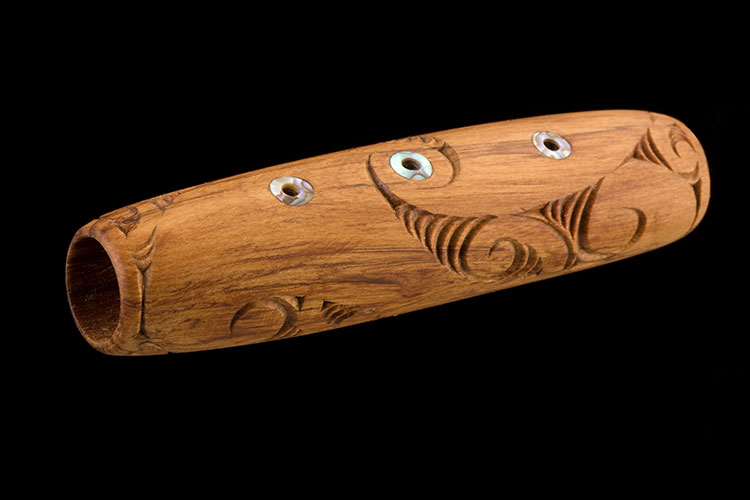
Kōauau
Kōauau are the most common type of Māori flute, and traditionally were made from various woods, kelp, albatross wing bones, human bones and probably moa bones.
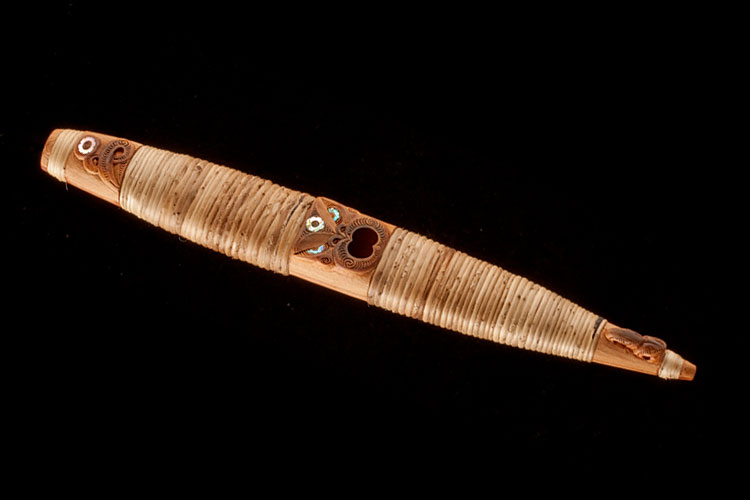
Pūtōrino
The pūtōrino is a flute unique to New Zealand. It is torpedo-shaped (tapering at each end), like the cocoon of the case moth into which Raukatauri changed herself.
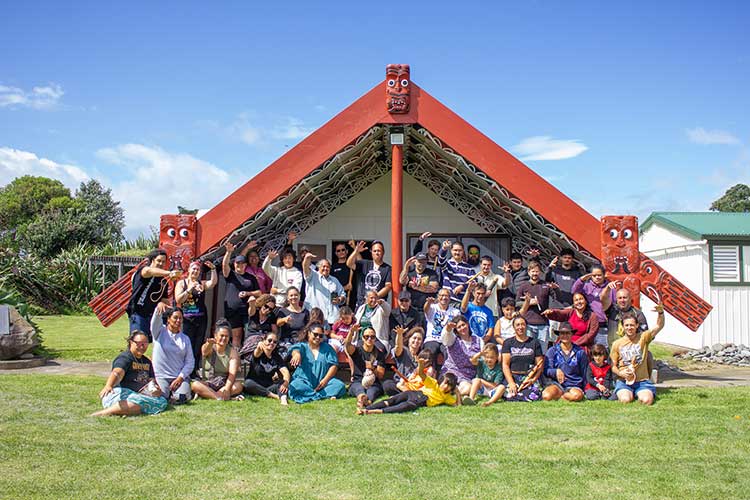
Wai-Oro-Ariki Taonga Pūoro ki Mōtītī
In January 2026, taonga pūoro returned to the whenua of Mōtītī in a powerful wānanga focused on rongoā Māori and sound healing. Across three days, practitioners, whānau, and kaiako gathered to awaken the land with orooro, harvest kawakawa, shape uku, and share deep kōrero on mātauranga Māori. A gifted pūtātara now remains on the island — a lasting symbol of reconnection, ceremony, and sound.
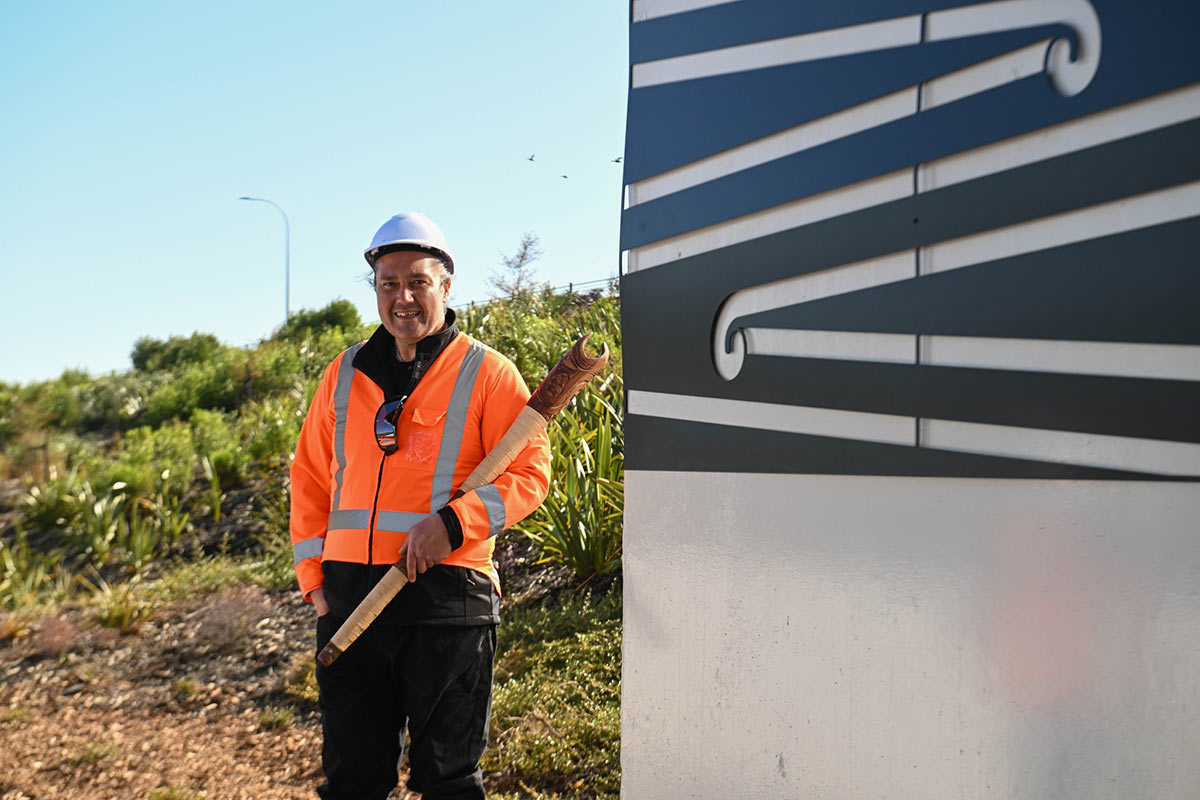
Te Toi Takapū: The Living Design of Jo’el Komene on the Tauranga Eastern Link
“Ko Tapuika te whenua, ko Tapuika te tangata, ko Tapuika te iwi.”
With these words, artist and carver Jo’el Komene grounds us in the heart of Te Takapū o Tapuika – the belly of Tapuika, honouring the land, the people, and the whakapapa that shape identity and purpose.
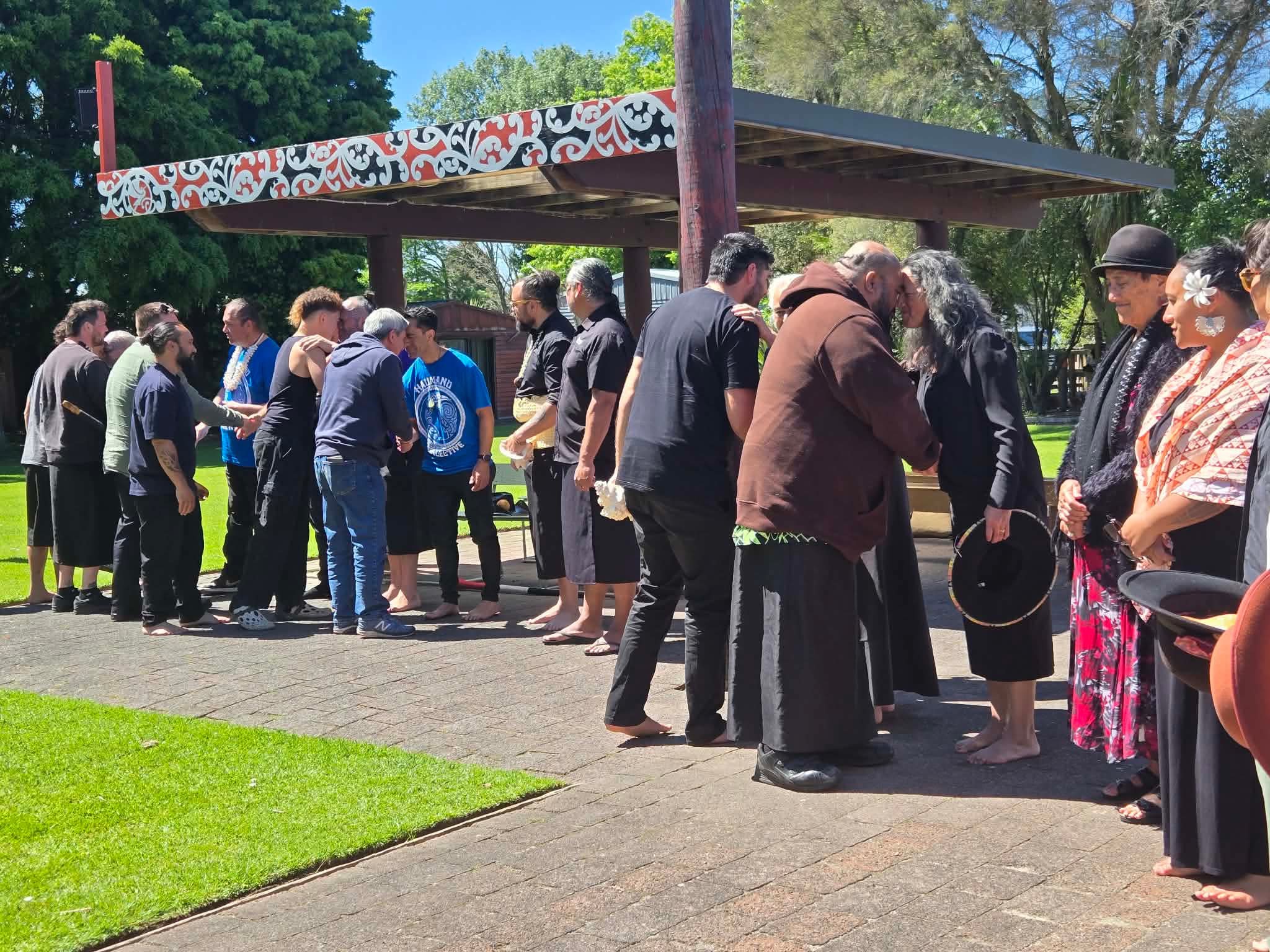
He Tangi Rōreka: An International Wānanga of Sound, Story & Cultural Revival
Held at Kirikiriroa Marae, this international taonga pūoro symposium brought together Indigenous artists and knowledge holders from Aotearoa, Te Moana-nui-a-Kiwa, Alaska, China, and beyond. Across five days of workshops, kōrero, crafting, and performance, we explored the living breath of our instruments and the deep relationships they carry. This was more than a wānanga — it was a movement.

Dr Awhina Tamarapa at Museum of New Zealand Te Papa Tongarewa
Dr Awhina Tamarapa leads a bold conversation on taonga, whakapapa, and Indigenous resurgence in museum spaces.
 Māori
Māori  English